Eliminating Wet Dog Odor Tips
What if the secret to a fresher, happier dog lies in simple grooming routines? Dive in to uncover how manageable practices can keep your furry friend smelling delightful, even after splashing in puddles!
What You Will Learn
- The wet dog smell is primarily caused by bacteria and yeast thriving on your dog's skin and coat.
- Different breeds and coat types can contribute to varying levels of odor, requiring tailored grooming routines.
- Regular grooming practices, including baths and brushing, are essential for controlling odor and maintaining hygiene.
- Recognizing signs of underlying health issues, such as persistent odors or skin irritations, is crucial for your dog's well-being.
- Scheduling professional grooming sessions every 4-6 weeks can enhance your dog's cleanliness and health monitoring.
- Establishing a consistent grooming routine can significantly reduce wet dog smell and create a bonding experience for you and your pet.
Factors Influencing Wet Dog Smell & Solutions
This visual illustrates the primary causes of wet dog smell, why some dogs are more prone to it, the role of hygiene, and when professional help is needed.
Causes of Wet Dog Smell
- Bacterial Growth: Flourishes in moisture.
- Yeast Infections: Can lead to stronger odors.
- Natural Oils: Mix with dirt, worsening smell.
Why Some Dogs Smell More
- Breed Characteristics: Skin folds trap moisture.
- Coat Types: Thicker fur retains more moisture.
- Skin Conditions: Allergies/infections increase odor.
Pet Hygiene & Odor Control
- Regular Baths: Removes dirt and bacteria.
- Daily Brushing: Eliminates loose fur and buildup.
- Cleaning Accessories: Washes collars, bedding.
When to See a Professional
- Persistent Odor: Lingers after baths.
- Irritated Skin: Redness or discomfort.
- Excessive Scratching: Sign of allergies/infections.
- Unusual Discharge: From ears or skin.
Understanding Wet Dog Smell: Causes and Solutions
As a passionate dog owner, I've often encountered the infamous wet dog smell. It's a common issue, but do you ever wonder what actually causes that unpleasant odor? In this section, we'll dive into the science behind it and explore practical solutions to keep our furry friends smelling fresh!
What Causes Wet Dog Smell?
The wet dog smell primarily stems from bacteria and yeast that thrive on a dog's skin and coat. When their fur gets wet, these microorganisms release compounds that can create that distinct odor. This is particularly true for dogs who love to swim or play in the rain! For more in-depth solutions to this persistent issue, consider reading our article on eliminating wet dog odor.
- Bacterial Growth: Moisture creates an environment where bacteria can flourish.
- Yeast Infections: Some dogs may have yeast overgrowth, leading to stronger smells.
- Natural Oils: When fur is wet, the natural oils can mix with dirt and bacteria, worsening the odor.
Understanding these causes is vital for us as pet parents. Regular grooming can help reduce the population of these odor-causing agents, leading to a fresher-smelling pup!
Why Some Dogs Smell Worse Than Others
Ever notice that some dogs seem to carry a stronger scent than others? There are a few contributing factors that can lead to this difference in odor. It often comes down to breed characteristics, coat types, and even skin conditions.
- Breed Characteristics: Breeds like Bulldogs or Spaniels may have skin folds that trap moisture and bacteria.
- Coat Types: Dogs with longer or thicker fur may retain more moisture, leading to stronger smells.
- Skin Conditions: Issues like allergies or infections can increase odor production.
By understanding these factors, we can tailor our grooming routines to meet the specific needs of our dogs, thus minimizing those pesky odors!
The Role of Pet Hygiene in Odor Control
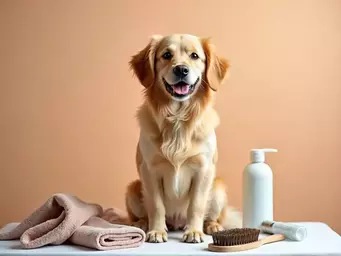
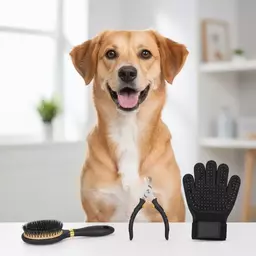
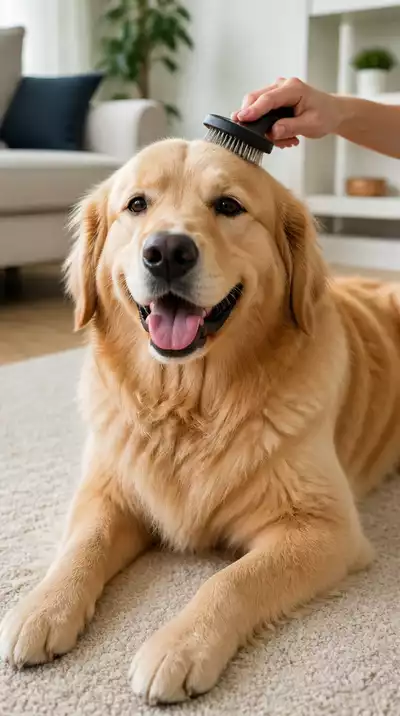
Maintaining pet hygiene is crucial for controlling wet dog smell. Regular grooming practices play a significant role in keeping our dogs smelling fresh. This means not just baths but also daily brushing and cleaning of their living spaces! To help you choose the best products, check out our guide on dog deodorizing shampoos.
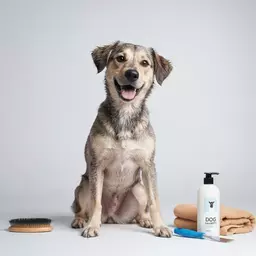
- Regular Baths: Frequent, but not excessive, bathing helps remove dirt and bacteria.
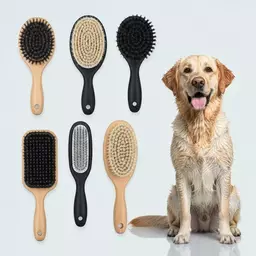
- Daily Brushing: This helps remove loose fur, dirt, and any buildup that can contribute to odor.
- Cleaning Accessories: Don't forget to wash their collars, leashes, and bedding to eliminate lingering smells.
I'm a firm believer that a little effort in grooming can go a long way in achieving that fresh dog smell we all love. Together, let's make cleanliness a priority for our furry companions!
Pro Tip
To further combat wet dog smell, consider using a high-quality deodorizing spray specifically designed for pets. These sprays can neutralize odors between baths, leaving your dog smelling fresh without the need for frequent washing. Additionally, keep your dog’s bedding clean by laundering it regularly to minimize lingering scents.
When to Consult a Professional
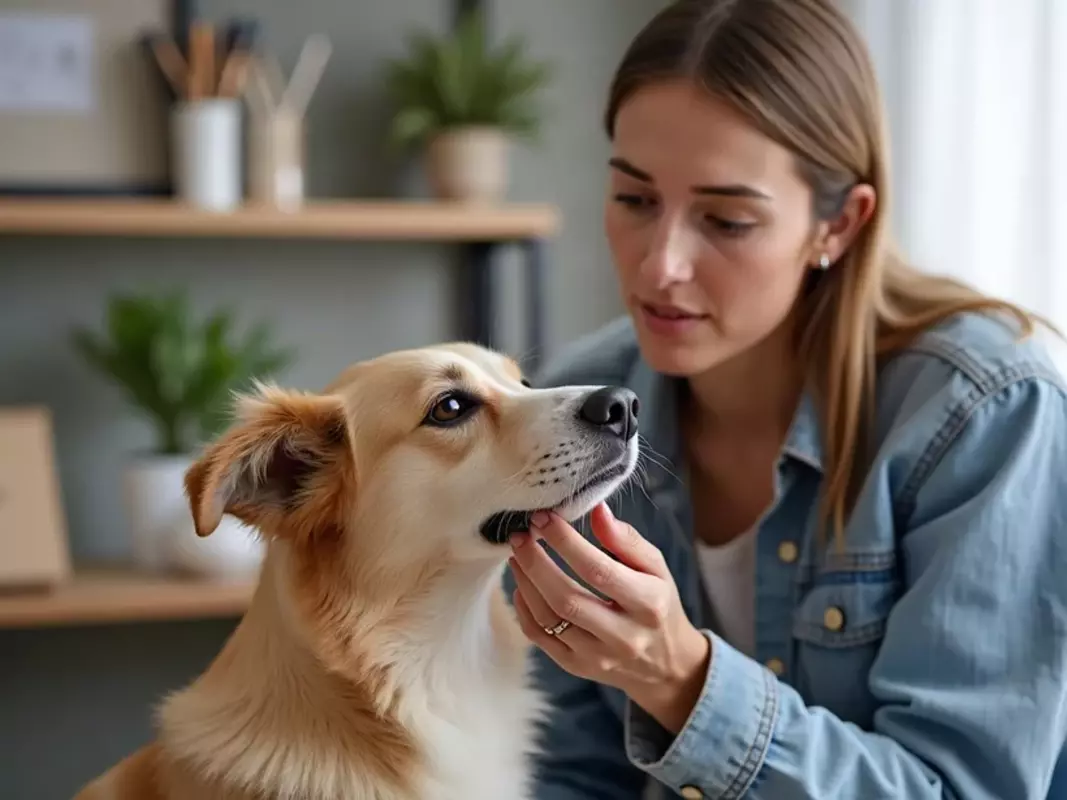
As a dog owner, you might often find yourself questioning whether that persistent wet dog smell is just a minor nuisance or a sign of something more serious. In my experience, recognizing when to consult a professional is essential for your furry friend's health and hygiene. Sometimes, what seems like a simple odor can actually indicate underlying skin problems or infections that require veterinary attention.
Recognizing Signs of Underlying Issues
It's important to stay vigilant about any changes in your dog's smell. Here are some warning signs that might indicate a need for professional help:
- Persistent Odor: If the smell lingers even after baths, it could signal a skin condition.
- Red or Irritated Skin: Look for signs of discomfort or inflammation in their coat and skin.
- Excessive Scratching: A dog that constantly scratches may have allergies or infections.
- Unusual Discharge: Any ooze or discharge from the ears or skin should be examined.
Recognizing these signs early can make all the difference in your dog’s health. If you notice any of them, don't hesitate to reach out to a veterinarian!
Timing Professional Grooming Appointments
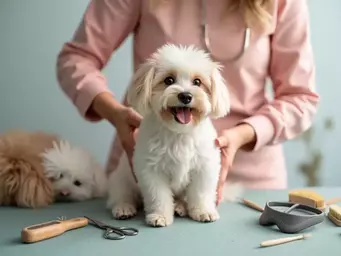
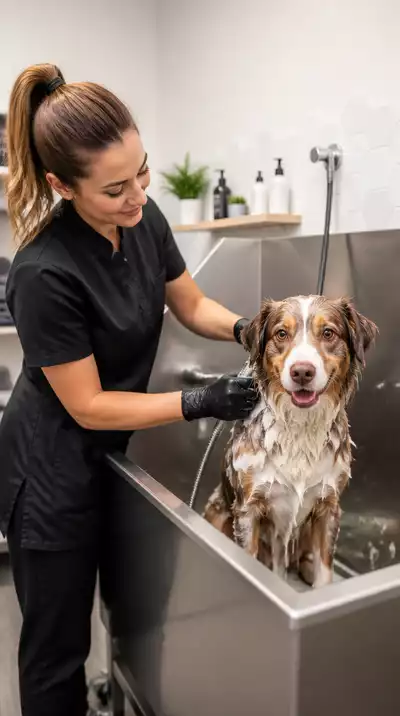
In addition to keeping an eye on your pup’s health, regular professional grooming sessions can make a world of difference in odor control. I recommend scheduling grooming appointments at least every 4-6 weeks. Here’s why:
- Thorough Cleaning: Professionals have the tools and expertise to deep clean your dog’s coat and skin.
- Personalized Care: Groomers can recommend specific products that suit your dog's unique needs.
- Health Monitoring: A trained eye can catch issues early, allowing for prompt treatment.
By keeping your dog's grooming routine in check, you can help maintain a fresher, happier pup!
Grooming Services: What to Expect
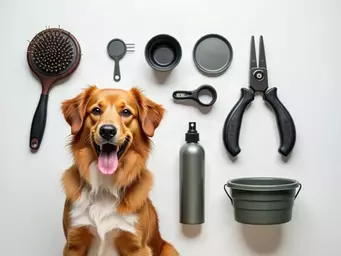
When you take your dog for professional grooming, you might wonder what services will be offered. Here's what typically happens during a grooming session:
- Bathing: Your dog will receive a thorough wash with suitable shampoos that combat odors.
- Brushing: Skilled groomers will remove tangles and loose fur, preventing odor build-up.
- Nail Trimming: Keeping nails short helps prevent dirt accumulation and helps with hygiene.
- Ear Cleaning: This often-overlooked step can reduce moisture and odor in the ears.
Expect your groomer to use specialized tools and techniques that enhance cleanliness and freshness—definitely a worthwhile investment in your dog's hygiene!
Final Tips for Reducing Wet Dog Smell
As we wrap up this section, remember that maintaining your dog's freshness doesn’t have to be overwhelming. Establishing a routine can help significantly in managing odors. By incorporating regular grooming practices and hygiene checks, you can keep your pup smelling delightful!
Creating a Routine for Odor Management
Here are some simple tips to create a daily or weekly routine for your dog:
- Daily Brushing: Dedicate just a few minutes each day to brush your dog's coat.
- Weekly Baths: Use a good-quality shampoo to wash your dog regularly.
- Monthly Grooming: Schedule a professional grooming session every month or two.
- Regular Check-ups: Keep up with vet visits to ensure there are no underlying health issues.
Consistency is key, and your dog will love the extra attention!
Frequently Asked Questions (FAQs)
What causes the wet dog smell?
The wet dog smell is primarily caused by bacteria and yeast thriving on your dog's skin and coat. When the fur gets wet, these microorganisms release compounds that produce the distinct odor.
Why do some dogs smell worse than others when wet?
Factors like breed characteristics (e.g., skin folds), coat types (e.g., thicker fur retaining more moisture), and underlying skin conditions (e.g., allergies or infections) can contribute to varying levels of odor.
How can regular grooming help control wet dog smell?
Regular baths remove dirt and bacteria, daily brushing eliminates loose fur and buildup, and cleaning accessories like collars and bedding prevent lingering smells. Consistent hygiene reduces odor-causing agents.
When should I consult a professional groomer or veterinarian?
You should consult a professional if your dog has a persistent odor even after baths, red or irritated skin, excessive scratching, or unusual discharge from ears or skin. These can be signs of underlying health issues.
How often should I schedule professional grooming for my dog?
It is recommended to schedule professional grooming appointments every 4-6 weeks for thorough cleaning, personalized care, and early detection of potential health issues by a trained eye.
Sharing Your Experiences: Community Insights
I'd love to hear from you about your own experiences with managing wet dog smell! What tips have worked for you? Have you encountered any challenges? Feel free to share your thoughts or questions in the comments below. Together, we can learn from one another and keep our furry friends smelling fresh!
Recap of Key Points
Here is a quick recap of the important points discussed in the article:
- Causes of Wet Dog Smell: Primarily due to bacteria and yeast that thrive on a dog's skin and coat.
- Regular Grooming: Daily brushing and frequent baths are essential in managing odors.
- Professional Grooming: Schedule grooming appointments every 4-6 weeks for thorough cleaning and health monitoring.
- Health Monitoring: Be vigilant for signs of underlying issues, such as persistent odors or skin irritations.
- Establishing a Routine: Create a consistent grooming routine to keep your pup smelling fresh and clean.