Dog Coat Types and Grooming Needs
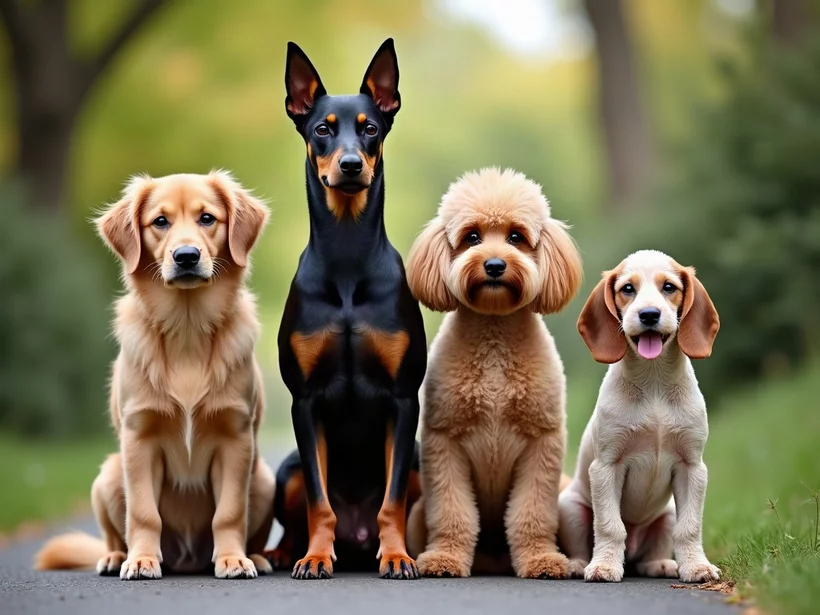
As the saying goes, "A dog is the only thing on earth that loves you more than he loves himself." Understanding your dog's coat type is crucial for their health and happiness. Tailoring your grooming routine to meet their specific needs can make all the difference!
What You Will Learn
- Recognize the six primary dog coat types: Smooth, Double, Long, Curly, Wire, and Silky.
- Understand the grooming needs specific to each coat type for better health and appearance.
- Learn about the tools best suited for grooming different coat types to ensure effective care.
- Discover the importance of regular grooming in maintaining your dog's overall health and well-being.
Dog Coat Types & Grooming Essentials
Understanding different dog coat types is crucial for effective grooming. Here's a quick guide to some common types, their characteristics, and recommended grooming tools. For a comprehensive list of essential products, check out our guide on building your dog grooming workflow.
Smooth & Short Coats
Minimal matting, easy to care for. Examples: Beagles, Dachshunds.
Grooming Tool:
Rubber Curry Brush
Double Coats
Two layers for insulation, shed heavily seasonally. Examples: Golden Retrievers, Huskies.
Grooming Tool:
Slicker Brush & Undercoat Rake
Long & Curly Coats
Prone to tangles and mats, requires frequent brushing. Examples: Poodles, Yorkshire Terriers.
Grooming Tool:
Wide-toothed Comb & Pin Brush
Wire & Silky Coats
Wire: coarse, weather-resistant. Silky: smooth, shiny, tangles easily. Examples: Terriers (Wire), Shih Tzus (Silky).
Grooming Tool:
Bristle Brush & Hand-stripping Tool
Understanding Different Dog Coat Types and Their Unique Characteristics
As a devoted dog owner, I know how important it is to understand your pup's coat type. Each dog breed has its unique coat characteristics, influencing their grooming needs, health, and overall well-being. Let's dive into the main coat types and explore what makes each one special!
Exploring the Main Dog Coat Types
Different breeds come with various coat types, and recognizing these can help you tailor your grooming routine. Here are the primary coat types you’ll encounter:
- Smooth Coats: Short and easy to maintain.
- Double Coats: Thick and insulating, perfect for various weather.
- Long Coats: Flowing and often require more grooming.
- Curly Coats: Dense and hypoallergenic, but can mat easily.
- Wire Coats: Rough, weather-resistant, and distinctive in feel.
- Silky Coats: Luxurious and shiny, but demands regular grooming.
With this knowledge, you can pick the right grooming tools for your dog's specific needs. We’ll get into those details a bit later—let’s first explore each coat type!
Identifying Smooth and Short-Coated Breeds
Smooth and short-coated breeds, like Beagles and Dachshunds, are often a breeze to care for. Their coats lie flat against the skin, making them less prone to mats. Regular brushing, perhaps once a week, can keep them looking polished and help minimize shedding. For further tips, explore our daily dog cleanliness routine guide.
Additionally, their skin can benefit from an occasional wipe-down with a damp cloth, which helps remove loose dirt. These breeds are fantastic for owners seeking low-maintenance grooming!
Understanding Double Coats: Features and Benefits
Double-coated breeds, such as Golden Retrievers and Huskies, possess two layers of fur: a soft undercoat and a tougher outer coat. This arrangement provides insulation and protection from the elements. However, it also means they shed more, especially during seasonal changes.
- **Benefits:** Provides warmth and protects against harsh weather.
- **Considerations:** Intensive grooming during shedding periods is essential.
Make sure to invest in a good deshedding tool to manage their fur and keep your home fresh!
Long and Curly Coats: A Closer Look
Breezy and elegant, long and curly coats are often seen in breeds like Standard Poodles and Yorkshire Terriers. Their luxurious fur can be a joy to touch but comes with its own set of challenges, primarily when it comes to tangles and mats.
Regular brushing—ideally every few days—is crucial to prevent matting. Plus, consider scheduling routine trims to keep their coats manageable. Trust me, your pup will thank you for the extra attention!
Wire and Silky Coats: What Sets Them Apart?
Wire coats, found in breeds like Terriers, have a coarse texture that helps protect them from the elements. They require less frequent grooming, but a good hand-stripping technique can maintain their signature look.
On the other hand, silky coats, like those of Shih Tzus, are smooth and shiny yet can tangle easily, demanding consistent grooming. If you’re looking for a dog with a stunning coat, just be prepared to invest some time in their upkeep!
Recognizing Mixed Breeds: Visual Identification of Coat Types
Mixed breeds can have a combination of coat types, making them unique! Look for key characteristics from each parent breed to identify their grooming needs. A mixed breed may have the silky texture of a Yorkie with the shedding tendencies of a Golden Retriever. Pay attention to these traits to determine the best grooming strategy!
Comparing Single Coat and Double Coat Breeds
Understanding the differences between single and double coats is essential for effective grooming. Single coat breeds, like Chihuahuas, have only one layer of fur, which makes them less prone to matting but can require more frequent bathing. In contrast, double coat breeds require more attention during shedding times but need less frequent washing due to their protective outer coat.
By knowing these characteristics, you can create a tailored grooming routine that suits your dog's specific needs. Let's make grooming a pleasant experience for both you and your furry friend!
Pro Tip
When grooming your dog, always consider their coat type to choose the right tools and techniques. For example, using a slicker brush on double-coated breeds can help remove undercoat effectively, while a pin brush is best for long-haired breeds to prevent tangles. Tailoring your approach not only makes the grooming process easier but also ensures your pup enjoys the experience!
Summarizing Grooming Needs Across Dog Coat Types
When it comes to keeping our furry friends looking their best, understanding their grooming needs based on coat type is essential. Each dog has unique characteristics that require specific care to maintain a healthy coat and skin. At PupFresh Collective, we believe that a tailored grooming approach not only enhances your dog's appearance but also contributes to their overall well-being!
Let’s break down some key grooming practices for different coat types to ensure your pup stays fresh and clean all year round.
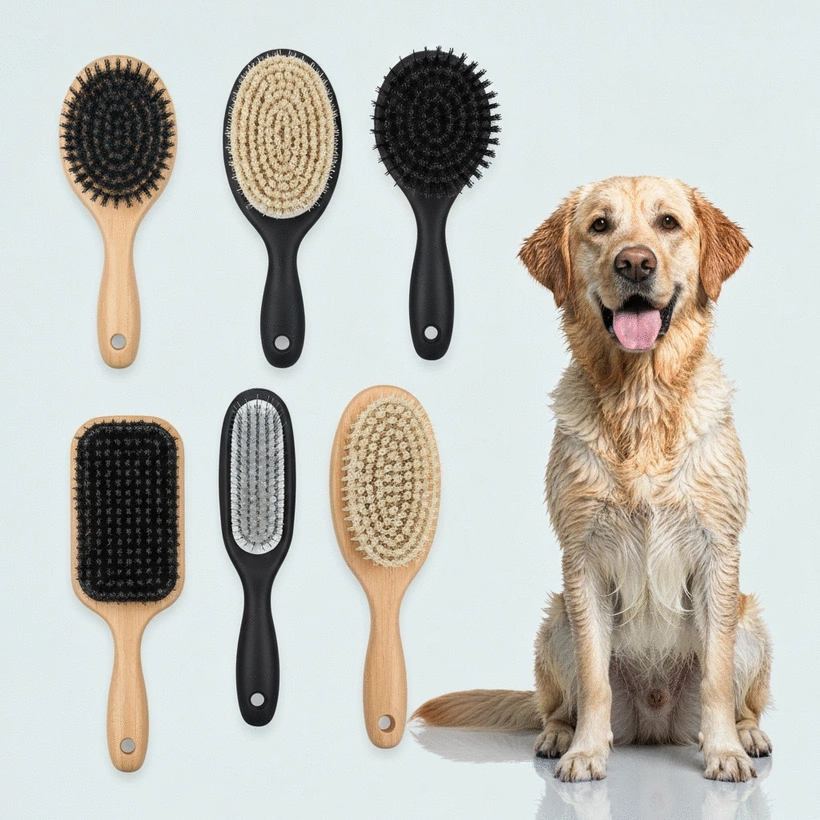
Choosing the Right Grooming Tools Based on Coat Type
Using the right tools makes a world of difference in your grooming routine. Here’s a quick guide to some essential grooming tools based on coat types:
- Smooth and Short-Coated Breeds: Use a rubber curry brush for gentle removal of loose hair and dirt.
- Double Coats: A slicker brush and an undercoat rake will help in removing loose fur and preventing matting.
- Long and Curly Coats: Invest in a wide-toothed comb and a pin brush to detangle and maintain shine.
- Wire and Silky Coats: A bristle brush is great for smoothing out the coat and ensuring it looks sleek.
Remember, the right tools can make grooming a more enjoyable experience for both you and your pup! It’s worth investing in quality products that suit your dog’s specific coat type.
Understanding the Importance of Coat Care for Your Dog’s Well-Being
Coat care goes beyond aesthetics—it's vital for your dog's health! Regular grooming helps to prevent skin issues, reduces shedding, and strengthens the bond between you and your pet. A well-groomed dog is less likely to experience discomfort from mats or tangles, which can lead to skin infections.
Here are some benefits of proper coat care that every dog owner should know:
- Enhances skin health by removing dirt and debris.
- Improves circulation through regular brushing.
- Helps in detecting skin conditions early.
- Reduces allergens in the home, benefiting both pets and owners.
At PupFresh Collective, we’re committed to guiding you through these essential grooming practices to keep your dog healthy and happy!
Maintaining Canine Coat Health: Routine Strategies
Creating a consistent grooming routine is key to maintaining your dog's coat health. Here are some strategies to consider:
- Regular Brushing: Aim for at least once a week, more frequently for long or double-coated breeds.
- Bathing Schedule: Depending on your dog's activity level and coat type, baths should be done every 4-6 weeks.
- Ear and Nail Care: Don’t forget to check and clean ears, and trim nails regularly to avoid discomfort.
- Diet and Hydration: A balanced diet will promote a healthy coat from the inside out!
By incorporating these strategies, you’ll be well on your way to ensuring your pup’s coat remains vibrant and healthy. For more detailed advice on maintaining freshness, check out our article on keeping your dog smell-free daily.
Encouraging Responsible Grooming Practices
As dog owners, it’s our responsibility to ensure our pets receive the best care possible. Grooming is not just about making them look good; it’s about their overall health and comfort. Let’s explore how to establish a responsible grooming routine!
How to Maintain a Healthy Coat and Skin
Maintaining a healthy coat and skin requires diligence and the right practices. Here are some tips to follow:
- Use quality grooming products suitable for your dog’s coat type.
- Keep your dog's living area clean and free from allergens.
- Monitor for any signs of skin irritation or changes in coat condition.
- Schedule regular vet check-ups to keep an eye on your dog's skin health.
Staying proactive about your dog’s grooming needs can lead to a happier, healthier pup!
Engaging with Professional Groomers: What to Expect
Sometimes, you may need the help of a professional groomer. Here’s what to expect when you take your pup to the groomer:
- Initial consultation to discuss your dog's grooming history and needs.
- Assessment of coat condition and any specific requirements.
- Grooming services tailored to your dog's coat type and health.
- Advice on at-home grooming practices to keep up with in between visits.
Professional groomers can be a fantastic resource in maintaining your dog’s grooming routine. They often have valuable insights to share!
Home Grooming vs. Professional Grooming: Pros and Cons
Deciding between home grooming and professional services can be tricky. Here’s a quick comparison:
- Home Grooming:
- Cost-effective and convenient.
- Strengthens bond with your dog.
- You have control over the grooming process.
- Professional Grooming:
- Access to expert techniques and tools.
- Less stressful for certain dogs (especially those who dislike grooming).
- Time-saving for busy pet parents.
Ultimately, the choice depends on your dog’s needs and your comfort level with grooming. Whether you’re a DIY enthusiast or prefer a professional touch, both options can lead to a happy, healthy pup! For more on this, consider our guide on grooming professional vs. at-home care.
Frequently Asked Questions About Dog Coat Types and Grooming
- What are the six primary dog coat types?
- The six primary dog coat types are Smooth, Double, Long, Curly, Wire, and Silky. Each has unique characteristics and grooming requirements.
- How often should I groom my dog?
- Grooming frequency depends on your dog's coat type. Smooth coats might need weekly brushing, while long or double coats may require brushing every few days. Baths are typically recommended every 4-6 weeks.
- What grooming tools are best for double-coated breeds?
- For double-coated breeds like Golden Retrievers or Huskies, a slicker brush and an undercoat rake are essential for effectively removing loose fur and preventing mats.
- Why is regular coat care important for my dog's health?
- Regular coat care is crucial for preventing skin issues, reducing shedding, improving circulation, detecting skin conditions early, and strengthening the bond between you and your pet.
- When should I consider professional grooming?
- Professional grooming can be beneficial for complex coat types, dogs who are difficult to groom at home, or when you need expert advice and specialized tools. They offer tailored services and can provide valuable insights for at-home care.
Recap of Key Points
Here is a quick recap of the important points discussed in the article:
- Understand Coat Types: Different dog breeds have unique coat types that influence grooming needs and health.
- Grooming Tools Matter: Use the appropriate grooming tools for your dog's coat type to enhance grooming efficiency.
- Routine is Key: Establishing a consistent grooming routine is crucial for maintaining a healthy coat and skin.
- Professional Help: Consider professional grooming when necessary, especially for complex coat types.
- Health Benefits: Regular grooming prevents skin issues and strengthens the bond between you and your dog.