Outdoor Dog Odor Prevention Tips
Have you ever wondered what makes maintaining a fresh-smelling dog a challenge? The great outdoors can turn our furry friends into odor factories if we're not careful. Here’s what you need to know to keep them smelling delightful!
What You Will Learn
- Moisture, waste, and high activity levels are key factors contributing to dog odors.
- Certain breeds, especially water-loving and active ones, are more prone to developing odors.
- Regular grooming and bathing play a vital role in keeping your dog odor-free.
- Maintaining your yard and utilizing natural deodorizers can significantly help control pet odors.
- Creating a personalized odor control plan tailored to your dog's habits can enhance cleanliness.
Understanding and Tackling Dog Odors
Exploring the main factors contributing to outdoor dog odors and strategies for effective management. For a deeper dive into controlling pet odors, check out our comprehensive guide on dog odor control tips for freshness.
Why Outdoor Dogs Develop Odors
- ✓ Moisture: Damp fur traps smells.
- ✓ Waste: Lingering odors from accidents.
- ✓ Activity Levels: Sweat and dirt accumulation.
Understanding these factors helps in early odor detection.
Impact of Breed & Activity
- ✓ Water-loving breeds: Thicker fur retains moisture.
- ✓ High-energy breeds: More heat/sweat, dirt accumulation.
- ✓ Short-haired: Odor from skin oils.
Breed and habits influence grooming needs.
Pet Hygiene Practices
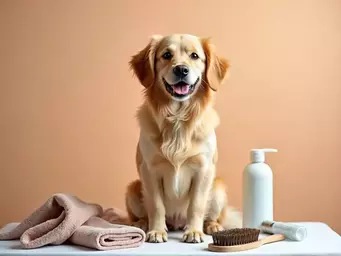
- ✓ Regular Grooming: Brush weekly to remove dirt.
- ✓ Frequent Baths: Monthly or as needed.
- ✓ Clean Ears & Teeth: Prevents hidden smells.
Consistent routine is key to a fresh-smelling dog.
Effective Odor Prevention
- ✓ Natural Solutions: Baking soda, vinegar for quick fixes.
- ✓ Maintain Your Yard: Regular waste removal.
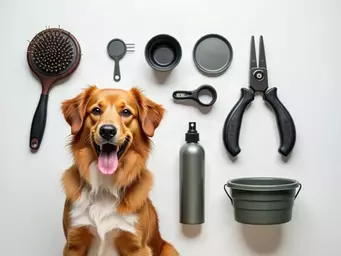
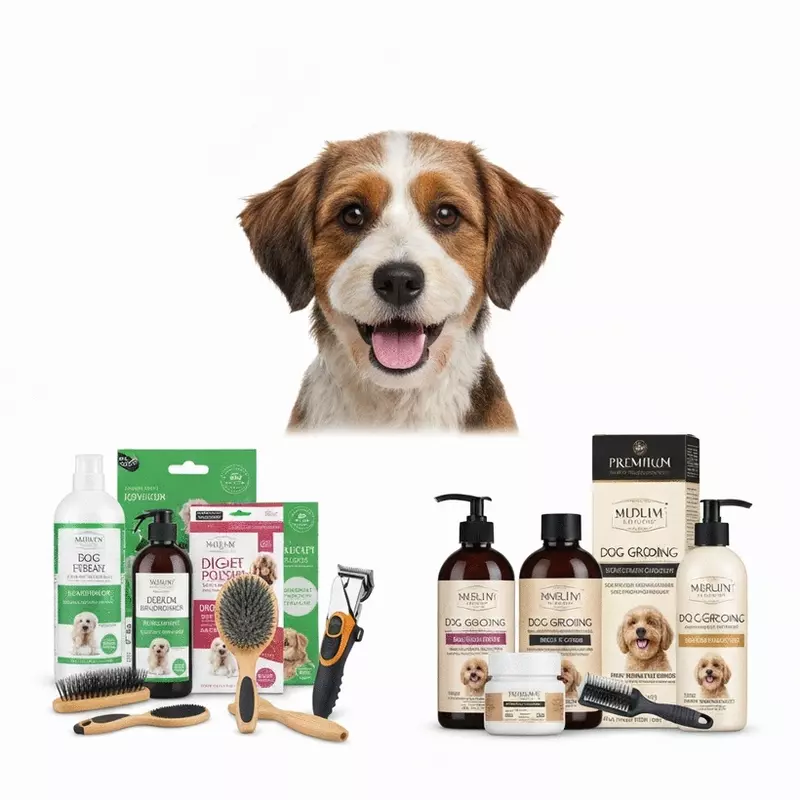
- ✓ Right Tools: Quality grooming tools and deodorizers.
Proactive and reactive strategies for a fresher environment.
Understanding Dog Odor Challenges in Outdoor Environments
As a dog owner, I know firsthand the challenges of keeping our furry friends fresh when they love to explore the great outdoors! Outdoor environments can be a breeding ground for unpleasant odors, especially when factors like moisture, waste, and activity levels come into play. Let's dive into why these odors develop and how we can tackle them together!
Why Outdoor Dogs Develop Odors
Outdoor dogs often face a unique set of challenges that contribute to odor development. The most common culprits include:
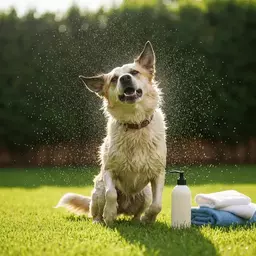
- Moisture: Rain, dew, and puddles lead to damp fur that can trap smells.
- Waste: Accidents in the yard can leave lingering odors if not cleaned promptly.
- Activity Levels: Playtime can result in sweat and dirt accumulating on your dog’s coat.
Understanding these factors is crucial for any dog owner who wants to keep their pup smelling fresh. Regular check-ins after outdoor adventures can help us catch any odors early!
Impact of Breed and Activity on Odor
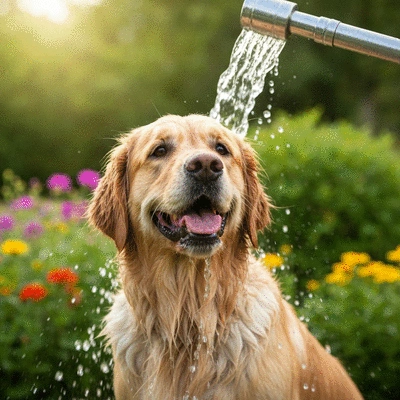
Some breeds are more prone to odors due to their coat types and activities. For instance, water-loving breeds like Labradors or Golden Retrievers tend to love splashing around, which can lead to that classic "wet dog" smell. Additionally, active breeds like Terriers may roll in dirt or mud, trapping odors in their fur. For effective strategies to manage this, consider our grooming tips for active dogs.
- Water-loving breeds: Often have thicker fur that retains moisture.
- High-energy breeds: Generate more body heat and sweat, which can lead to stronger odors when combined with dirt.
- Short-haired breeds: Might not hold onto dirt as much but can still develop odor from skin oils.
Recognizing how your dog's breed and play habits contribute to odor can guide your grooming routine and odor control methods!
Pet Hygiene Practices to Reduce Odor
To keep outdoor dogs smelling fresh, implementing solid hygiene practices is essential. Here are some of my top recommendations:
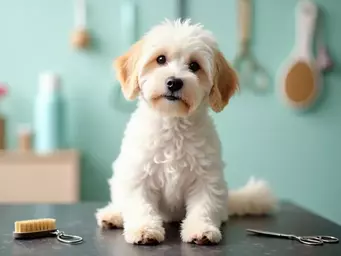
- Regular Grooming: Routine brushing helps remove dirt and loose fur. Aim for at least once a week!
- Frequent Baths: Depending on your dog's lifestyle, bathing every month or as needed can significantly reduce odors.
- Clean Ears and Teeth: Don't forget these areas! Regular cleaning can prevent any unwanted smells.
Establishing a consistent hygiene routine is the key to maintaining a happy and fresh-smelling dog. Plus, it can be a great bonding experience!
Immediate Solutions for Pet Odor Control
When odors strike, knowing how to quickly tackle the issue can make all the difference. Let's explore some immediate solutions for effective pet odor control!
Pro Tip
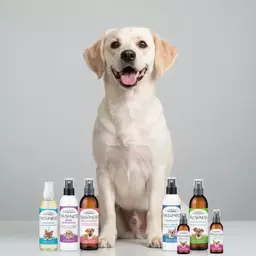
To effectively combat outdoor odors, consider using a high-quality dry shampoo specifically formulated for dogs. This can be a quick fix between baths and help absorb excess moisture and odors while keeping your pup feeling fresh!
Frequently Asked Questions
Q: Why do outdoor dogs smell more than indoor dogs?
A: Outdoor dogs are more exposed to elements like moisture (rain, dew), dirt, and waste, which can get trapped in their fur. Their higher activity levels also lead to more sweat and accumulation of environmental odors, making them more prone to developing smells.
Q: How often should I bathe my outdoor dog?
A: The frequency depends on your dog's activity level and breed. Generally, bathing every month is a good starting point. However, if your dog frequently gets dirty or swims, you might need to bathe them more often, or use a dry shampoo between full baths.
Q: Are certain dog breeds more prone to odors?
A: Yes, water-loving breeds with thick coats (like Labradors) tend to retain moisture and smell, while high-energy breeds can accumulate more dirt and sweat. Even short-haired dogs can develop odors from skin oils.
Q: What natural remedies can I use to control dog odor?
A: Baking soda and vinegar are excellent natural deodorizers. Baking soda can be sprinkled on bedding or carpets, while a diluted vinegar solution can be used to clean surfaces or even as a rinse after bathing (avoiding eyes and ears).
Q: How does yard maintenance help with dog odor?
A: Regularly removing pet waste from your yard prevents unpleasant odors from lingering and becoming more pervasive. Keeping grassy areas tidy also reduces places where moisture and decaying organic matter can trap smells.
Summarizing Effective Odor Prevention Strategies
As we’ve explored, keeping our furry friends smelling fresh—especially when they love to play outdoors—requires a blend of proactive and reactive strategies. Here’s a quick recap of the key points we’ve covered:
- Understand the Causes: Recognizing what leads to odors, such as moisture and waste, is the first step in managing them.
- Utilize Natural Solutions: Simple items like baking soda and vinegar can be powerful allies in your odor-fighting arsenal.
- Regular Grooming: A consistent grooming routine helps keep your dog's coat—and your home—smelling great.
- Maintain Your Yard: Regular waste removal and upkeep of grassy areas can significantly reduce odors.
- Invest in the Right Tools: High-quality grooming tools and deodorizers can help you stay ahead of odors.
By implementing these strategies, you’ll create a fresher environment for both you and your pet! Remember, consistency is key in this journey toward a cleaner, odor-free life with your dog.
Taking Action: Implementing Your Odor Control Plan
Now that we've covered essential strategies, it's time to take action! I encourage you to create a personalized odor control plan tailored to your dog's habits and outdoor environment. Here are some steps to consider:
- Assess your dog's daily activities—do they love water? Muddy playtime? This will help determine your grooming frequency.
- Choose your favorite natural deodorizers and keep them handy for quick cleanups.
- Establish a regular schedule for yard maintenance, including waste removal and grass care.
- Consider setting up designated potty areas to help contain odors.
Taking these steps not only aids in keeping odors at bay but also promotes a healthier environment for your dog. Plus, it gives you peace of mind knowing you've got a plan in place!
Resources and Further Reading
To support you in your journey of pet odor management, here are some valuable resources you can explore:
- Grooming Tips for Every Breed
- Natural Deodorizers: What Works Best?
- Yard Maintenance Tips for Dog Owners
- Product Recommendations for Odor Control
These articles offer more insights and practical advice to help you maintain a fresh and clean environment for your pup!
Join the Conversation and Share Your Experiences
We’d love to hear from you! What tips do you have for managing dog odors, especially for those outdoor-loving pups? Share your insights and favorite products like the best dog deodorizing shampoos in the comments below. Your experiences could help other dog owners in our community. Let’s learn from each other and keep our furry friends fresh together!
Recap of Key Points
Here is a quick recap of the important points discussed in the article:
- Understand the Causes: Recognizing factors like moisture and waste is essential for managing odors.
- Utilize Natural Solutions: Items like baking soda and vinegar can effectively combat odors.
- Regular Grooming: A consistent grooming routine keeps your dog's coat—and your home—smelling fresh.
- Maintain Your Yard: Regular waste removal and yard upkeep are crucial for reducing outdoor odors.
- Invest in the Right Tools: High-quality grooming tools and deodorizers can help stay ahead of odors.