Controlling Dog Odor by Environment
Have you ever noticed how the environment around your dog can significantly influence their scent? Understanding the connection between various factors such as temperature and humidity can empower you to keep your furry friend smelling fresher. Let's explore these insights to enhance your dog's hygiene!
What You Will Learn
- High temperatures can amplify dog odors by promoting bacteria growth on their skin.
- Humidity traps smells and can cause odors to linger, making regular grooming essential.
- Proper ventilation and airflow are crucial in reducing dog odors at home.
- Maintaining air quality through clean filters and natural products can minimize unpleasant scents.
- Consistent cleaning routines, including washing bedding and using pet-safe products, are vital for odor control.
- Regular veterinary check-ups help identify medical conditions that may contribute to unpleasant odors.
Environmental Factors Influencing Dog Odor
Understanding how temperature, humidity, and airflow impact your dog's scent can help you maintain a fresher home environment.
Temperature Influence
- ‣
Warmth encourages bacteria growth, intensifying odors.
- ‣
Increased sweating leads to stronger scents.
- ‣
Heat affects bedding, exacerbating trapped smells.
Humidity Impact
- ‣
Moisture in air traps and holds odors longer.
- ‣
Damp fur traps odors more easily.
- ‣
High humidity can trigger mold growth.
Airflow & Odor Dispersion
- ‣
Good ventilation prevents odor accumulation.
- ‣
Fans and open windows circulate air, dispersing odors.
- ‣
Stagnant air traps smells, making them noticeable.
Air Quality & Odor Perception
- ‣
Poor air quality exacerbates existing scents.
- ‣
Air purifiers and filters reduce particles & odors.
- ‣
Indoor pollution (dander, dust) creates unpleasant smells.
Understanding the Connection Between Environment and Dog Odor
As a dog owner, I often find myself pondering how much our surroundings impact our furry friends. One of the most significant factors that can influence dog odor is the environment. From temperature to humidity, these aspects play a crucial role in how we perceive our dogs' scents. Understanding this connection can help us make better decisions to keep our pups smelling fresh and clean, especially when it comes to choosing dog deodorizing shampoos.
Let’s dive into the different environmental factors that can make a difference in our dog’s odor and explore practical strategies for managing them!
How Temperature Influences Dog Smell
Did you know that the heat can amplify odors in your home? When the temperature rises, odors become more pronounced, making your pup smell stronger than usual. This can be particularly true in the summer months when our dogs spend more time outdoors and can get a bit too sweaty!
- Warmth encourages bacteria growth on your dog's skin.
- Increased temperatures can lead to more sweating, contributing to odor.
- Heat can also affect the quality of your dog's bedding and living space.
Understanding these factors can help us stay ahead of odor production. Remember, maintaining a cooler environment is not just comfortable but can also help minimize those pesky smells!
The Role of Heat in Odor Production
Heat accelerates the breakdown of organic materials, such as dog oils and dirt, causing odors to intensify. For instance, if your dog loves to play outside, they may bring home residue that, when heated, can result in that infamous "dog smell." Keeping an eye on dog hygiene during warmer months is vital!
Effects of High Temperatures on Dog Health
High temperatures aren't just about odors—they can pose health risks too! Dogs can suffer from heatstroke, which can be serious. Keeping your pup cool helps not only with odors but also with their overall well-being. Make sure to provide plenty of fresh water and shade for your furry friend!
The Impact of Humidity on Canine Scent
Humidity is another sneaky factor that can intensify dog odors. In humid conditions, moisture in the air captures and holds smells, making them linger longer. When the air is heavy, it becomes harder for odors to disperse, which can lead to a persistent scent in your home. For comprehensive advice on combating these smells, explore our dog odor control tips for freshness.
- Humidity can trigger mold growth in your pet’s environment.
- Wet fur can trap odors more easily.
- Humidity levels can affect the effectiveness of your cleaning products.
By being mindful of humidity levels, you can take proactive steps to reduce dog odors and maintain a refreshing atmosphere!
Why Humid Conditions Enhance Dog Odor
In humid weather, your dog's fur can stay damp for longer. This dampness can lead to bad smells, especially if your pup loves to play in the water! Regular grooming can combat this, but being aware of the humidity is equally important.
Strategies for Managing Humidity Levels at Home
So, what can you do to manage humidity? Using air conditioning, dehumidifiers, and keeping windows open on less humid days can make a world of difference. Also, regularly washing your dog's bedding will help keep odors at bay!
Airflow and Its Role in Odor Dispersion
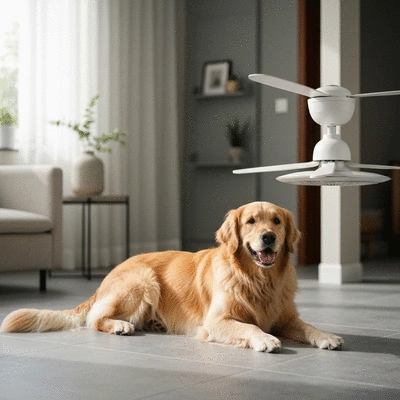
Good airflow is essential for maintaining a fresh-smelling home. Stagnant air can trap odors, making them more noticeable. That's why I always advocate for ensuring proper ventilation in areas where your pup spends time.
- Open windows when the weather permits.
- Use fans to circulate air.
- Keep doors open between rooms to improve airflow.
By enhancing air circulation, you can effectively reduce dog odors and create a more pleasant environment for both you and your furry friend!
How Proper Ventilation Reduces Dog Smell
When air flows freely, it helps to disperse odors before they become overwhelming. This is particularly important in areas like your living room or where your dog sleeps. A well-ventilated space not only feels fresher but also contributes to your dog's overall health.
Creating an Environment for Scent Control
Consider adding plants that purify the air or using air fresheners designed specifically for pet owners. These small touches can significantly enhance the freshness of your home while keeping it cozy for your furry companion!
The Importance of Air Quality in Reducing Dog Odor
Air quality directly impacts how odors are perceived in your home. Poor air quality can exacerbate any existing scents, including those from our dogs. It’s crucial to be proactive about maintaining clean air in our living spaces, which is why we often recommend the best odor control for dogs through various solutions.
- Regularly change air filters in your home.
- Use natural cleaning products to avoid chemical smells.
- Incorporate indoor plants that can help purify the air.
By being attentive to air quality, you set your home up for success in battling dog odors!
Understanding Indoor Air Pollution and Its Effects
Indoor air pollution can come from various sources, including dust, mold, and pet dander. This can create a perfect storm for unpleasant odors. Regular cleaning and ensuring good ventilation can go a long way in keeping air fresh!
Using Air Purifiers to Improve Air Quality
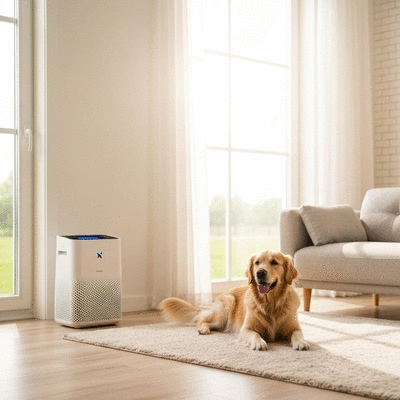
Investing in an air purifier can be a game-changer. These devices filter out particles and help reduce odors, making your home a fresher place for both you and your dog. Additionally, consider placing one near your dog’s favorite spots!
Pro Tip
To combat dog odors effectively, consider investing in a quality air purifier. These devices can filter out pet dander and odors, enhancing the overall air quality in your home. Additionally, regularly washing your dog's bedding and grooming them can play a crucial role in maintaining a fresh-smelling environment!
Frequently Asked Questions About Dog Odor and Environment
Summarizing Key Strategies for Controlling Dog Odor
As we wrap up our exploration of dog odor, it’s essential to recognize how both environmental factors and medical conditions contribute to the scent situation. By understanding these elements, we can forge a more effective plan for keeping our furry friends smelling fresher!
Here’s a quick recap of the environmental and medical contributions to dog odor:
- Environmental factors like humidity and temperature can intensify odors.
- Medical conditions, such as yeast infections or anal gland issues, often lead to unpleasant smells.
- Routine veterinary care is crucial for identifying and treating underlying health problems.
Encouraging Healthy Practices for Dog Owners
It's not just about battling odors; it’s about creating a nurturing environment for our pets. Integrating healthy practices into your dog's routine can contribute significantly to odor control. Think of it as a team effort—you and your pup working together for a fresher home!
Here are some tips to encourage healthy practices:
- Schedule regular vet check-ups to catch any potential health issues early.
- Combine grooming routines with environmental management for maximum effect.
- Stay informed about your dog's specific needs based on its breed and health history.
Next Steps for Dog Owners Concerned About Odor
If you’re noticing persistent odors, don’t fret! There are practical steps you can take today for an immediate impact. Start by assessing your home environment and your pup's grooming needs. Sometimes even small changes can make a big difference.
Here are some actionable next steps:
- Introduce a regular cleaning schedule for both your home and your dog’s grooming.
- Consider investing in air purifiers or dehumidifiers to improve air quality.
- Review your dog's diet to ensure it’s contributing positively to their health and scent.
Engaging with the Community for Support
You don’t have to navigate this journey alone! Engaging with fellow dog owners can be incredibly beneficial. Sharing experiences and solutions creates a supportive community where we can all learn from each other’s successes and challenges. At PupFresh Collective, we encourage you to join the conversation!
- Join local or online dog owner groups to exchange tips and tricks.
- Participate in forums or social media discussions to ask questions and share insights.
- Host meet-ups with other dog owners to exchange grooming strategies and product recommendations.
Long-term Odor Prevention Practices
Developing a Consistent Cleaning Routine
To really tackle dog odor, establishing a consistent cleaning routine is essential. This doesn’t have to be overwhelming; think of it as a simple checklist you can follow to maintain a fresh home for both you and your furry companion.
Here are some best practices for maintaining a fresh home environment:
- Regularly wash your dog’s bedding and favorite blankets.
- Use vacuum cleaners designed to eliminate pet hair and dander.
- Incorporate routine surface cleaning with pet-safe products.
Using Pet-safe Cleaners and Deodorizing Sprays
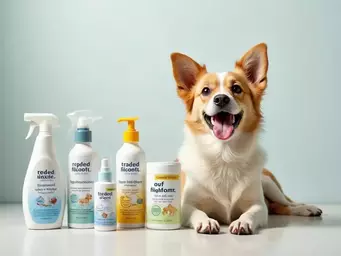
When it comes to keeping your home smelling fresh, the products you choose matter. Opting for pet-safe cleaners ensures that your home remains a safe haven for your furry friend. Additionally, using deodorizing sprays specifically formulated for pets can provide an extra layer of odor control.
Consider these tips when selecting your cleaning supplies:
- Look for biodegradable and non-toxic cleaning products.
- Choose deodorizing sprays that are free from harsh chemicals.
- Test any new products on a small area first to avoid any adverse reactions with your pet.
Recap of Key Points
Here is a quick recap of the important points discussed in the article:
- Environmental factors such as temperature and humidity significantly influence dog odor.
- Maintaining a cooler environment can help minimize odors and ensure your dog's comfort.
- Proper ventilation and airflow are essential for dispersing odors effectively.
- Regular grooming and cleaning routines contribute to a fresher home and healthier pets.
- Investing in air purifiers and dehumidifiers can improve air quality and reduce lingering smells.