Managing Dog Odor and Environment
Have you ever noticed how some days your dog's smell seems to linger more than others? The truth is, various environmental factors play a significant role in shaping that canine aroma. Let’s explore how you can manage and minimize dog odors in your home.
What You Will Learn
- High humidity levels can intensify dog odors, creating a breeding ground for unpleasant smells.
- Regular cleaning of dog fabrics, such as beds and toys, is essential to combat lingering odors.
- Indoor air quality significantly affects dog odor; dust and allergens can make smells worse.
- Monitoring seasonal changes and adjusting your cleaning routine can help manage odors effectively.
Environmental Factors Influencing Dog Odor
The visual below highlights key environmental factors contributing to dog odor, categorized by their impact on intensity, accumulation, and overall air quality. For more tips on controlling dog odor by environment, check out our detailed guide.
Understanding How Environment Influences Dog Odor
As a dedicated pet enthusiast, I know how much our furry friends can bring joy to our lives. However, that joy can sometimes come with a less-than-pleasant odor! Understanding how your home environment can influence dog odor is essential for keeping things fresh. Let’s dive into the factors that contribute to this canine characteristic and how we can manage it.
The Science Behind Dog Odor and Environmental Factors
First, let's explore the basic science! Humidity, poor airflow, and temperature play a significant role in creating that infamous dog smell. When the air is humid, moisture can linger in your home, making it a breeding ground for odors. Without proper ventilation, these smells can easily become trapped, leading to a persistent odor that can be tough to eliminate.
- Humidity: Higher humidity levels can intensify odors.
- Poor Airflow: Stagnant air contributes to musty smells.
- Temperature: Warm environments promote bacteria growth.
By understanding these factors, we can take proactive steps to ensure our living spaces remain fresh and comfortable for both us and our pets. Do you notice certain smells on humid days? You're not alone!
Common Environmental Triggers of Dog Odor
Now, let’s identify some of the common triggers in our households that can exacerbate odors. Dirty fabrics, moisture accumulation, and bacteria are prime suspects in the battle against dog smells. Think about your dog’s favorite blanket or bed—these items can trap odors over time, making regular cleaning a must. For more detailed dog odor control tips for freshness, see our dedicated guide.
- Dirty Fabrics: Dog beds, toys, and blankets should be washed regularly.
- Moisture Accumulation: Areas like the bathroom or kitchen can foster lingering smells.
- Bacteria Growth: Bacteria thrive on dirt and moisture, leading to unpleasant odors.
Taking the time to regularly clean and inspect these items can make a world of difference. Trust me, your nose will thank you!
Impact of Air Quality on Dog Odor
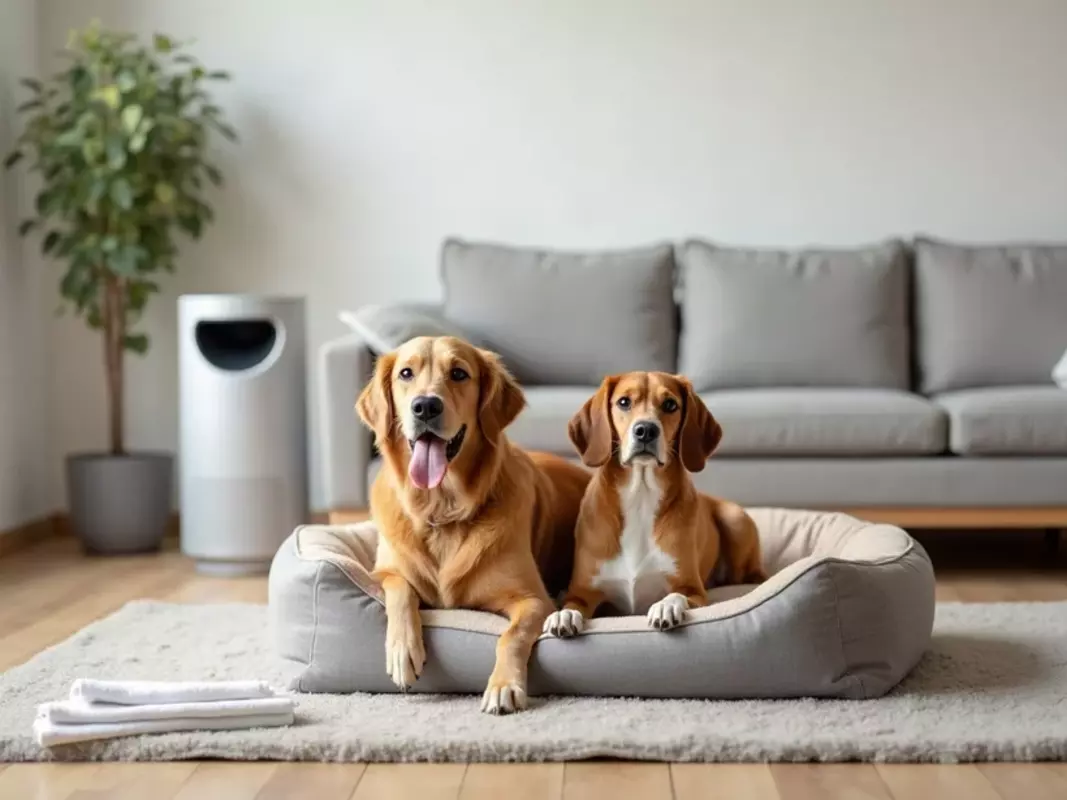
Did you know that indoor air quality can significantly impact dog odor? Poor air quality can lead to increased allergens and pet dander, which can contribute to an unpleasant smell. When the air in your home is filled with dust, mold, or pet hair, it can intensify your dog's natural odor.
- Indoor Air Pollution: Dust, pet dander, and mold can accumulate indoors.
- Allergens: Pollen and other allergens can exacerbate odors.
- Air Fresheners: Some can mask smells but might add to allergens.
Improving air quality through regular cleaning and utilizing air purifiers can help keep your home fresh and your dog smelling great!
Humidity and Temperature: Key Contributors to Dog Smell
The weather plays a surprisingly important role in the level of odor you might experience from your dog. During humid months, for example, the moisture levels in the air can cause odors to linger more intensely. Additionally, extreme temperatures can affect your dog’s coat and skin health, leading to odor problems. Regular grooming tips for active dogs can also help manage these seasonal changes.
- Seasonal Changes: Watch for increased odors during warmer months.
- Weather Effects: Rainy days can lead to damp, smelly fur.
- Humidity Levels: Keeping an eye on local humidity can help you prepare.
By adjusting your home environment based on these factors, you can manage odors more effectively. Have you noticed a difference in your dog's smell with changing seasons? It's fascinating how these elements interact!
Interactive Poll: Your Thoughts on Dog Odor Management
How do you manage dog odors in your home? Share your strategies with us!
Frequently Asked Questions About Dog Odor and Environmental Factors
Q: How does humidity affect dog odor?
A: High humidity levels can intensify dog odors by allowing moisture to linger in your home, creating a more favorable environment for odor-causing bacteria and trapped smells.
Q: What household items contribute most to dog odor?
A: Dirty fabrics like dog beds, blankets, and toys are prime culprits as they trap odors over time. Areas with moisture accumulation, such as bathrooms or kitchens, can also foster lingering smells.
Q: Can poor indoor air quality make dog odor worse?
A: Yes, poor indoor air quality, characterized by dust, pet dander, mold, and other allergens, can significantly intensify your dog's natural odor.
Q: What are key strategies to manage dog odors effectively?
A: Key strategies include regular cleaning of dog fabrics and your home, improving air quality with ventilation or purifiers, and consistent dog grooming and bathing.
Q: Do seasonal changes impact dog odor?
A: Yes, warmer and more humid months can lead to increased odors due to higher moisture levels and enhanced bacteria growth. Rainy days can also result in damp, smelly fur.
Summarizing the Impact of Environment on Dog Odor Control
As we've explored, the environment plays a crucial role in influencing dog odor in our homes. Factors like humidity, poor airflow, and even the materials we have around can significantly contribute to that unmistakable dog smell. Understanding these elements can empower us to create a cleaner, fresher space for our furry friends. Here’s a quick recap of the main points:
- Humidity and Temperature: High humidity levels and warm temperatures can intensify odors.
- Air Quality: Poor indoor air quality from allergens and pollutants can worsen smells.
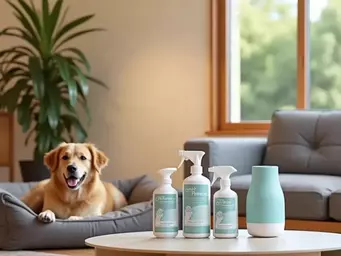
- Cleaning Practices: Regular cleaning and the right products are essential for odor management.
- Dog Hygiene: Consistent grooming and bathing help keep odors at bay.
By addressing these factors systematically, we can significantly reduce dog odors and create a more pleasant living environment.
Call to Action: Taking Steps to Freshen Your Home
Now that you’re equipped with knowledge about how the environment affects dog odor, why not take action? Start implementing some of the strategies we've discussed, like improving airflow in your home or establishing a regular cleaning routine. Remember, it doesn't have to be overwhelming! Even small changes can make a big difference.
I’d love to hear how these tips work for you! Have you tried any of these strategies? Or maybe you have some of your own tips? Feel free to share your experiences or ask questions. At PupFresh Collective, we’re all about building a community of dog owners who support each other in maintaining freshness and cleanliness. For more ideas on keeping your dog smell-free daily, explore our other articles. Let’s keep those tails wagging and our homes smelling great!
Recap of Key Points
Here is a quick recap of the important points discussed in the article:
- Humidity and Temperature: High humidity levels and warm temperatures can intensify odors.
- Air Quality: Poor indoor air quality from allergens and pollutants can worsen smells.
- Cleaning Practices: Regular cleaning and the right products are essential for odor management.
- Dog Hygiene: Consistent grooming and bathing help keep odors at bay.