Keeping Water-Loving Dogs Odor-Free
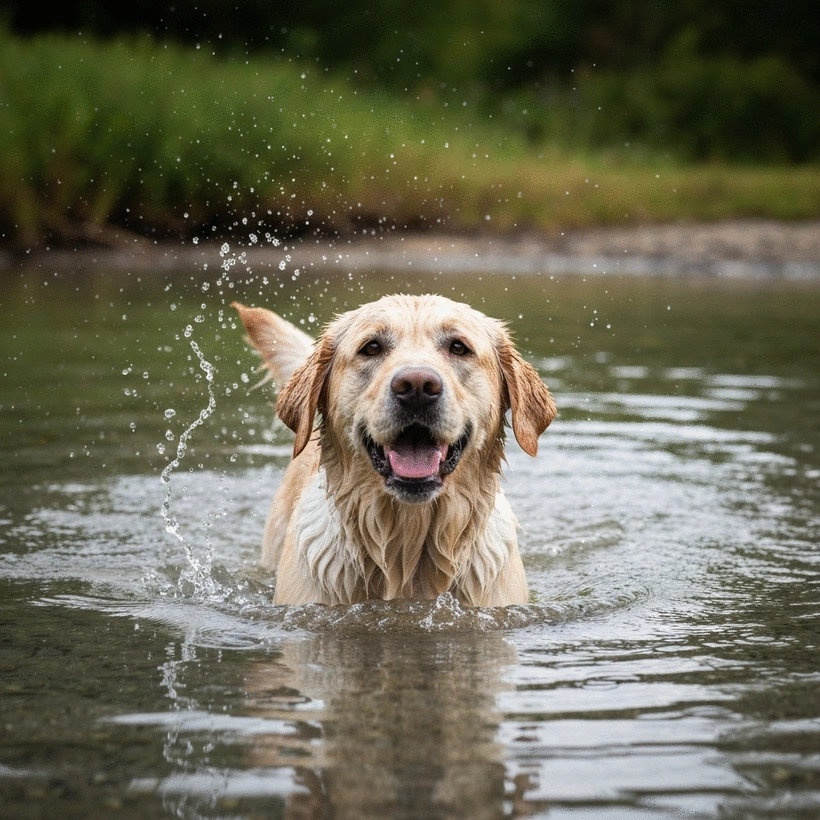
As a dedicated dog owner, you might sometimes find yourself questioning how to keep your furry friend smelling fresh, especially if they love splashing around in water. Understanding the unique needs of water-loving breeds can be your first step towards effective odor management.
What You Will Learn
- Water-loving breeds are prone to odors due to their wet coats, which create an environment for bacteria and fungi.
- Key physical traits like waterproof coats and webbed feet can contribute to odor issues.
- Regular grooming and tailored care techniques are essential for managing odors effectively.
- Establishing a consistent grooming routine can drastically reduce lingering smells after water play.
- Monitoring your dog's health is crucial; underlying skin issues can exacerbate odor problems.
- Engaging with the community can provide valuable insights and tips for effective odor management.
Odor Prevention Strategies for Water-Loving Dog Breeds
Understanding the challenges and implementing effective strategies are key to managing odors in water-loving dog breeds. Below is a breakdown of why these breeds are prone to odors and the proactive steps owners can take.
Wet Coats & Bacterial Growth
Wet coats trap moisture, creating an ideal environment for bacteria and fungi. This leads to the familiar "wet dog smell" as bacteria break down oils and debris.
Waterproof Fur Traps Moisture
Water-resistant coats, common in breeds like Chesapeake Bay Retrievers, can paradoxically trap moisture against the skin, fostering odor-causing bacterial growth.
Unique Physical Traits
Webbed feet and thick undercoats, while great for swimming, can harbor bacteria and moisture if not regularly cleaned and dried, contributing to lingering odors.
Activity Level & Environmental Factors
Active breeds often roll in mud or other environmental elements, exacerbating odor issues. Their lifestyle requires more diligent cleaning and grooming routines.
Integrating Grooming & Care
- Consistent grooming schedule: brushing (1x/week), bathing (4-6 weeks).
- Use breed-specific care techniques and appropriate shampoos.
- Employ odor-neutralizing sprays, especially after water activities.
Responsible Water Activities
- Rinse dog thoroughly after swimming to remove debris and chemicals.
- Supervise swimming in clean, safe environments.
- Ensure complete drying to prevent moisture retention in fur.
Dog Health Considerations
- Regular vet check-ups to rule out underlying health issues causing odors.
- Monitor skin and coat for allergies or irritations.
- Maintain a balanced diet for overall health and coat quality.
Community Engagement & Support
- Share tips and experiences with local dog owners or online communities.
- Learn from others' effective odor management practices.
- Utilize available resources for water-loving breed owners.
Understanding Odor Prevention for Water-Loving Dog Breeds
As a passionate pet enthusiast and an advocate for cleanliness, I've learned that water-loving dog breeds, like Labradors and Golden Retrievers, often come with their own unique set of challenges when it comes to odor control. These breeds are naturally drawn to water, and while their playful antics are adorable, they can lead to lingering smells if not managed properly. Let’s dive into how we can tackle this issue together!
Understanding why certain breeds are more prone to odors can help us develop effective odor prevention strategies. By recognizing their wet coat tendencies and the bacteria that thrive in those conditions, we can better equip ourselves for the grooming routines that will keep our dogs feeling fresh. For more detailed advice, check out our guide on dog odor control tips for freshness.
Why Water-Loving Breeds Are Prone to Odors
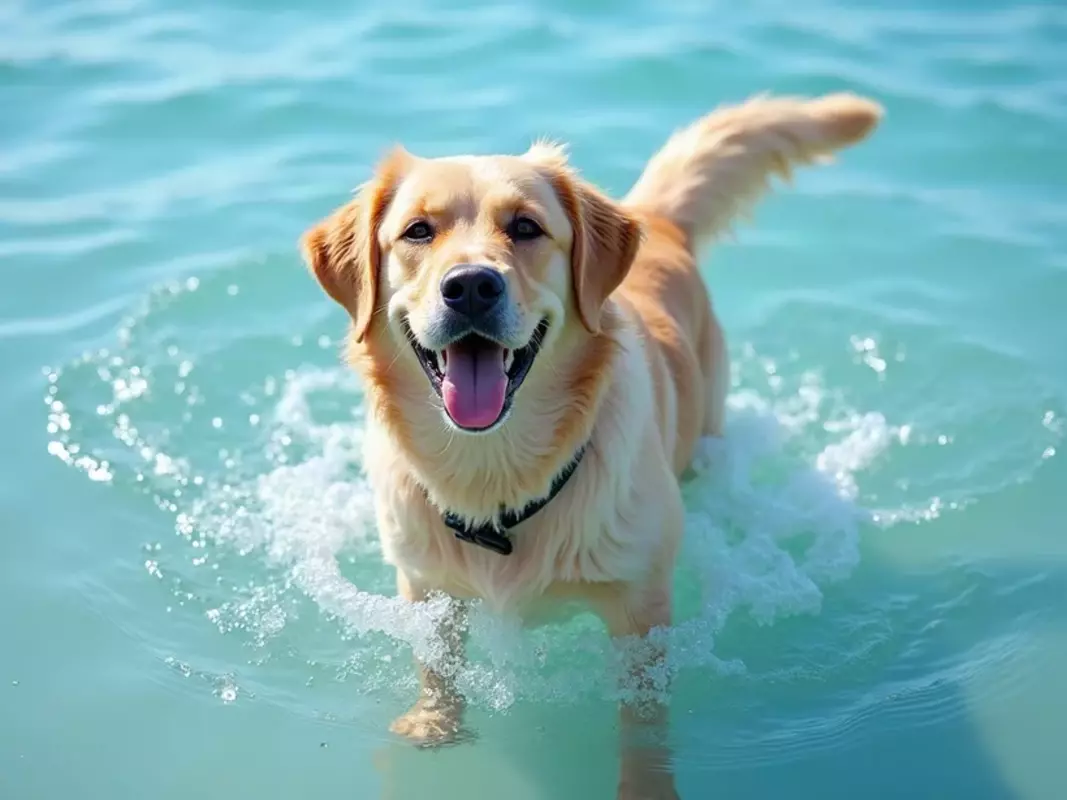
This is a question that many dog owners ponder! The connection between a wet coat and odor development is quite significant. When your furry friend jumps into a lake or rolls in the ocean, their coat absorbs water, which creates the perfect environment for bacteria and fungi to flourish. This, in turn, leads to that all-too-familiar “wet dog smell.”
The Connection Between Wet Coats and Odor Development
Wet coats can trap moisture against the skin, promoting bacterial growth. The bacteria break down oils and debris, producing odors that are hard to eliminate. Regular grooming can help to mitigate this, but understanding the underlying reasons is crucial for success!
How Bacteria Thrive in Waterproof Fur
Waterproof or water-resistant coats may seem like a blessing, especially for breeds that love to swim. However, this trait can trap moisture and create an ideal breeding ground for odor-causing bacteria. As I’ve often observed at PupFresh Collective, staying ahead of these factors is essential for any dog owner.
Key Characteristics of Waterproof and Water-Loving Dog Breeds
It’s essential to identify the breeds that are most susceptible to odors due to their unique physical traits. This knowledge will help you tailor your grooming routine effectively. Here are some of the key characteristics of these breeds:
- Waterproof or water-resistant coats that trap moisture
- Webbed feet that aid in swimming and can harbor bacteria
- Thick undercoats that may retain water and odors
By understanding these characteristics, you can adjust your approach to grooming and care to better manage odors. For specific grooming techniques, consider our tips on grooming tips for waterproof dogs.
Identifying Breeds with Waterproof Coats
Breeds like Chesapeake Bay Retrievers, Newfoundlands, and Portuguese Water Dogs are known for their waterproof coats. Knowing whether your dog has a coat designed for water play can help you anticipate odor challenges and apply the right grooming techniques.
Exploring Physical Traits: Webbed Feet and Otter Tails
Many water-loving dogs possess features such as webbed toes that enhance swimming. While these traits are fantastic for aquatic fun, they can also contribute to odor issues if not maintained properly. Regular checks and cleaning of their paws and tails can help mitigate potential smell problems!
Dog Breed Characteristics That Affect Odor Management
Each breed has its own characteristics that can influence odor management, including coat type and activity level. For instance, active breeds tend to roll in mud or other environmental factors that can worsen odors. Being aware of these traits allows you to tailor your grooming and cleaning routine effectively.
By combining knowledge of these characteristics with a proactive approach, you can stay one step ahead in the battle against dog odors!
Pro Tip
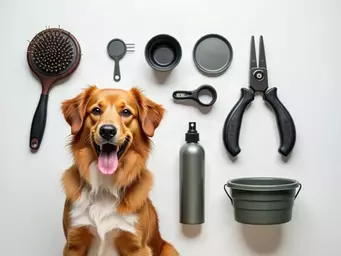
To elevate your dog’s grooming routine, consider investing in a high-quality de-shedding tool. These tools not only reduce loose fur but also help in removing trapped moisture and debris that can contribute to odors. Regular use can keep your dog's coat healthier and significantly reduce that notorious "wet dog smell" after a swim!
Summarizing Effective Strategies for Odor Prevention
As a dog owner, you know how important it is to keep your furry friends smelling fresh, especially if they love water! At PupFresh Collective, we believe that establishing a solid routine is essential for effective odor management. This not only benefits your dog but also creates a pleasant environment for you and your family. Let's explore some practical strategies to keep those pesky odors at bay!
- Set a consistent grooming schedule.
- Use breed-specific care techniques.
- Incorporate effective odor-neutralizing products.
- Engage in regular exercise and water activities.
By weaving these practices into your daily life, you can maintain a cleaner, fresher environment for both you and your beloved pet. Remember, consistency is key! Over time, these little adjustments will help you tackle odor issues effectively.
Integrating Grooming and Care Techniques
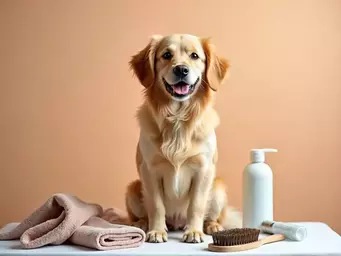
Building a routine for odor management can seem daunting at first, but with a little planning, it becomes second nature! Start by incorporating grooming sessions into your regular schedule. These can include brushing, bathing, and even drying techniques that significantly reduce odors after water play.
- Brush your dog at least once a week to remove loose hair and dirt.
- Schedule baths every 4-6 weeks with the right shampoo.
- Use odor-neutralizing sprays after swimming.
Additionally, it’s crucial to highlight the importance of breed-specific care. Different breeds have unique coat types and needs, and tailoring your grooming routine can go a long way in preventing odors. For example, while a Labrador's coat may require frequent brushing, a Golden Retriever may need additional attention to its undercoat. Learn more about effective solutions in our article on best odor control for dogs.
Encouraging Responsible Water Activities
As a passionate dog enthusiast, I know firsthand how much our pups love splashing around. However, it’s essential to promote water safety while keeping odor under control. Encourage your dog to swim in clean, safe environments and supervise them closely during water activities.
- Always rinse off your dog after swimming.
- Check for any debris or algae that could cling to their fur.
- Consider using a doggy life jacket if your pup is a less experienced swimmer.
Additionally, utilizing community resources and support for water-loving breed owners can enhance your experience. Join local dog clubs or online forums where you can share tips and learn from others facing similar challenges. It's a great way to connect and gather insights!
Dog Health Considerations in Odor Management
Maintaining your dog's health is vital in managing odors effectively. Regular check-ups with your veterinarian can help identify any underlying issues that could contribute to unpleasant smells. Pay attention to your dog's skin and coat condition, as well as any changes in behavior or hygiene.
- Monitor for allergies or skin irritations.
- Ensure a balanced diet tailored to your breed's needs.
- Keep up with vaccinations and preventive care.
By prioritizing your dog's health, you'll find it easier to manage odors and ensure they lead a happy, active life. Remember, a healthy dog is a happy dog!
Engaging with Our Community on Odor Prevention Practices
At PupFresh Collective, we value the insights and experiences of our community. I invite you to share your stories and tips regarding odor management. Whether it’s a favorite grooming routine or an effective product, your contribution can help fellow dog owners keep their pets fresh!
- Join our community discussions on social media.
- Share your success stories on our blog.
- Connect with local dog owners for best practices.
Let’s come together to create a supportive network where we can all learn and grow. Your experiences matter, and they can inspire others on their journey to a cleaner, fresher life with their furry friends. So, what’s your go-to tip for managing odors? We’d love to hear from you!
Frequently Asked Questions
Why do water-loving dog breeds tend to smell more?
Water-loving breeds often have coats that trap moisture, creating an ideal environment for bacteria and fungi to grow. This bacterial breakdown of oils and debris on their skin and fur is what causes the "wet dog smell."
What are the key physical traits that contribute to odor issues in these breeds?
Key traits include waterproof or water-resistant coats that retain moisture, thick undercoats that can harbor odors, and webbed feet that can trap bacteria and moisture if not cleaned regularly.
What grooming routine is recommended for water-loving dogs?
A consistent grooming schedule including brushing at least once a week, bathing every 4-6 weeks with appropriate shampoo, and thorough drying after any water activity is crucial. Using odor-neutralizing sprays can also help.
How can I prevent odors after my dog goes swimming?
Always rinse your dog thoroughly with clean water after swimming to remove chlorine, salt, or natural debris. Ensure they are completely dry, paying special attention to their undercoat and paws, to prevent moisture retention and bacterial growth.
Can my dog's health affect their odor?
Yes, underlying health issues such as skin infections, allergies, or an imbalanced diet can contribute to or worsen body odor in dogs. Regular veterinary check-ups are important to rule out or address any health-related causes of odor.
Recap of Key Points
Here is a quick recap of the important points discussed in the article:
- Water-loving dog breeds are more prone to odors due to their wet coats, which can trap moisture and promote bacterial growth.
- Regular grooming, including brushing and bathing, is essential to control odors effectively.
- Utilizing breed-specific care techniques can significantly enhance your grooming routine and odor management.
- Engaging in safe water activities and rinsing your dog after swimming helps minimize moisture retention and odor development.
- Monitoring your dog's health and diet is crucial for maintaining a fresh-smelling pet.