Eliminating Wet Dog Odor Tips
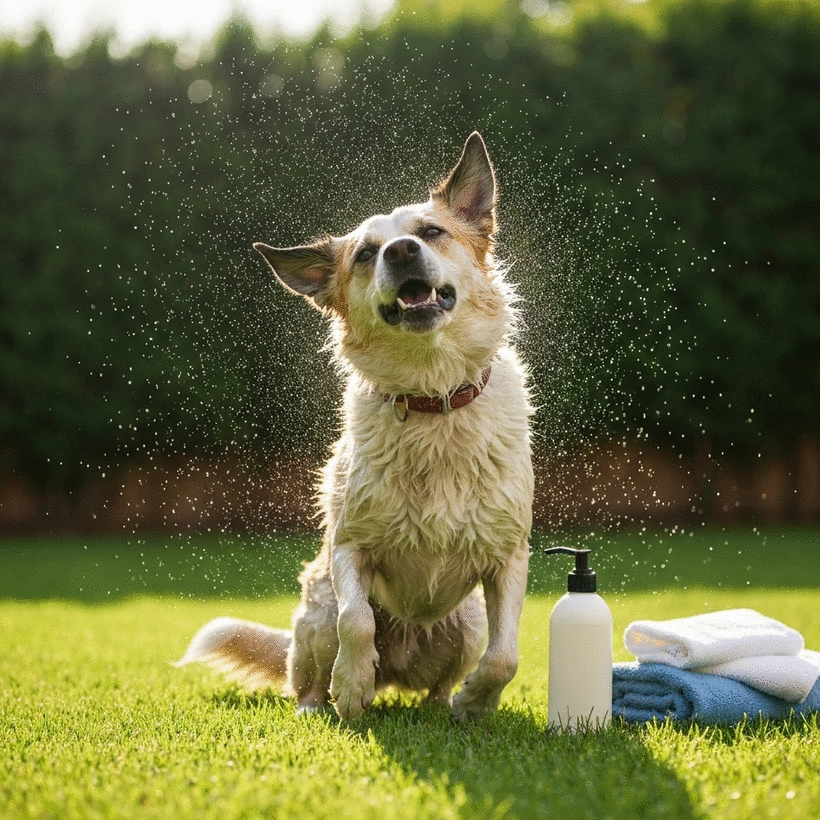
Have you ever found yourself perplexed by the unmistakable scent of a wet dog? You're not alone! Understanding the science behind this phenomenon can empower you to tackle it effectively. Let’s uncover the secrets behind that wet dog smell and learn how to maintain a fresher environment for our furry friends.
What You Will Learn
- Bacterial growth and natural oils are the primary culprits behind the wet dog smell.
- Breed characteristics can influence how strong a dog's odor is when wet, with some breeds more prone to it.
- Proper dog hygiene practices, like regular grooming and bathing, are essential for odor control.
- A clean environment is crucial; wash bedding and use air purifiers to keep your dog's space fresh.
- Engaging your dog in grooming routines can make the process enjoyable and help instill good habits.
- Implementing a consistent cleaning schedule can significantly reduce lingering odors in your home.
Factors Contributing to Wet Dog Odor & Hygiene Solutions
Understanding why your dog smells when wet and implementing proper hygiene are key to a fresher pup. Here's a visual breakdown of the contributing factors and crucial hygiene practices. For more detailed insights into managing pet odors, check out our guide on dog odor control tips for freshness.
Why Dogs Smell Stronger When Wet
- Bacteria & Yeast: Multiply rapidly in wet environments.
- Skin Oils: Release odors when activated by water.
- Fungal Growth: Wet coats can encourage issues.
Factors Contributing to Wet Dog Odor
- Breed Characteristics: Some breeds naturally have stronger oils.
- Diet: High-protein diets can lead to potent body odors.
- Environmental: Dogs pick up smells from surroundings.
Role of Dog Hygiene in Odor Control
- Regular Baths: Use suitable shampoo to keep odors at bay.
- Brushing: Daily removal of loose hair and debris.
- Drying Techniques: Proper drying prevents odors from setting in.
Maintaining a Fresh Environment
- Wash Bedding/Toys: Regularly eliminate odors.
- Vacuum Frequently: Remove hair and dander.
- Use Air Purifiers: Keep air fresh and reduce smells.
Understanding Wet Dog Smell: Causes and Solutions
If you’ve ever snuggled with your pup after a swim or a rainy walk, you know that wet dog smell can be quite the challenge. But why do wet dogs smell stronger? Let’s dive into the science behind it!
Why Do Wet Dogs Smell Stronger?
The distinctive odor of a wet dog can be traced back to various factors, primarily bacterial growth and the natural oils found in your pup's coat. When a dog gets wet, the water activates these oils and bacteria, leading to that infamous aroma. It’s a combination of moisture and the microbiome that lives on their skin!
- Bacteria and Yeast: These can multiply rapidly in a wet environment, exacerbating the smell.
- Skin Oils: Every dog has natural oils that protect their skin and coat. When wet, these oils can release odors.
- Fungal Growth: In some cases, a wet coat can encourage fungal issues, contributing to unpleasant smells.
By understanding these factors, you can take steps to minimize the odor and keep your furry friend smelling fresh!
Identifying Factors that Contribute to Wet Dog Odor
Several factors can affect how strongly your dog smells when wet. For instance, breed-specific issues play a significant role. Some breeds naturally have oils that can smell stronger when wet. Additionally, a dog's diet can impact their body odor, as certain foods can lead to more odorous skin.
- Breed Characteristics: Breeds like Golden Retrievers and Bulldogs may have more prominent odors when wet.
- Diet: High-protein diets may lead to more potent body odors.
- Environmental Factors: Dogs that spend a lot of time outdoors can pick up smells from their surroundings, including mud and other odors that linger on their coat.
By being aware of these factors, you can make better choices for your dog's care and help reduce that wet dog smell!
The Role of Dog Hygiene in Odor Control
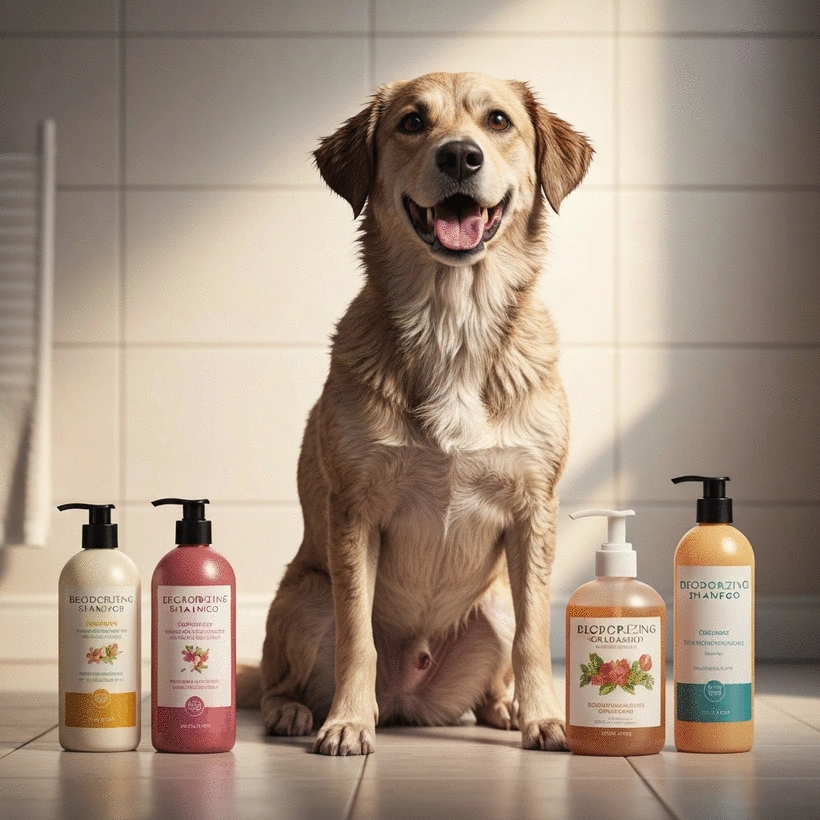
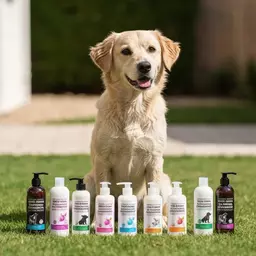
Proper dog hygiene practices are essential in managing wet dog smell. Regular grooming helps remove dirt, dead skin, and excess oils from your pup's coat. Establishing a consistent grooming routine can make a world of difference! For recommendations on products that can help, explore our top picks for dog deodorizing shampoos.
- Regular Baths: Bathing your dog with a suitable shampoo can help keep odors at bay.
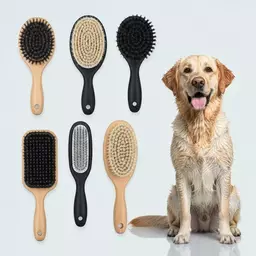
- Brushing: Daily brushing helps remove loose hair and debris that can contribute to odors.
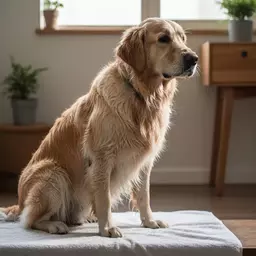
- Drying Techniques: Properly drying your dog after they get wet is crucial to prevent odors from setting in.
Incorporating these practices into your routine can lead to a fresher-smelling pup. Trust me, your nose will thank you!
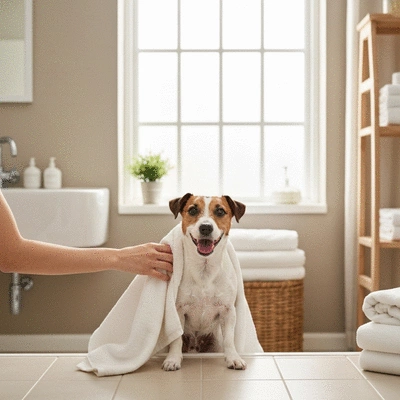
Effective Drying Techniques for Active Dogs
After a swimming session or a rainy day adventure, it’s essential to dry your dog effectively. This not only helps minimize wet dog smell but also keeps them comfortable!
Pro Tip
To effectively combat that wet dog smell, consider using a high-quality, hypoallergenic shampoo designed specifically for dogs. These shampoos not only cleanse but also help neutralize odors without stripping your dog’s natural oils. Additionally, after bathing, use a microfiber towel to absorb excess moisture efficiently, which can significantly reduce lingering odors!
Frequently Asked Questions About Wet Dog Smell
Q: What causes the wet dog smell?
A: The wet dog smell is primarily caused by bacterial growth and natural oils in your dog's coat being activated by water. These microorganisms release volatile compounds that become more noticeable when wet.
Q: Do all dog breeds smell the same when wet?
A: No, the intensity of the wet dog smell can vary by breed. Some breeds naturally have more prominent skin oils or denser coats, which can make their wet odor stronger than others.
Q: How often should I bathe my dog to prevent wet dog smell?
A: The frequency of bathing depends on your dog's breed, activity level, and coat type. Generally, bathing every 3-4 weeks is sufficient, but some dogs might need more frequent baths. Always use a dog-specific shampoo.
Q: Are there specific shampoos that help reduce wet dog smell?
A: Yes, many deodorizing and enzymatic shampoos are formulated to neutralize odors rather than just masking them. Look for hypoallergenic options to protect your dog's skin.
Q: Besides bathing, what else can I do to keep my dog smelling fresh?
A: Regular brushing to remove loose hair and debris, thorough drying after getting wet, maintaining a clean living environment (washing bedding, vacuuming), and a healthy diet can all contribute to a fresher-smelling dog.
Maintaining a Fresh Environment for Your Dog
Keeping a fresh environment for your furry friend is just as important as regular grooming! At PupFresh Collective, we believe that a clean home leads to a happier dog and a happier you. Here are some straightforward steps to help maintain that freshness:
- Regularly wash your dog’s bedding and toys to eliminate odors.
- Vacuum frequently to remove hair and dander from carpets and furniture.
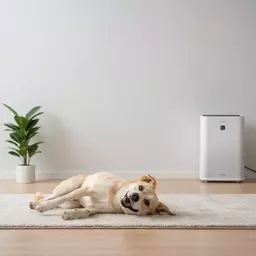
- Use air purifiers to keep the air fresh and reduce lingering smells.
- Implement a daily cleaning routine that includes wiping down surfaces where your dog frequently lounges.
These simple practices can significantly enhance the comfort of your home while ensuring your dog stays fresh and odor-free. Remember, consistency is key—your efforts will pay off in a cleaner space!
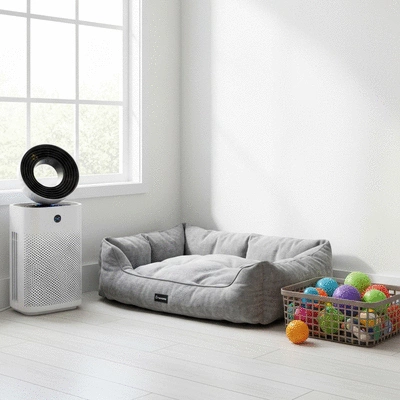
Routine Maintenance Tips for Dog Owners
As a dog owner, you play a crucial role in maintaining that fresh environment! Here are some actionable steps you can incorporate into your daily routine:
- Create a designated cleaning schedule for your dog’s areas.
- Keep a stash of odor-neutralizing sprays handy for quick clean-ups.
- Rotate your dog’s toys and bedding to keep things fresh and exciting.
- Incorporate regular grooming into your dog’s routine to minimize dander and odors.
By following these tips, you’ll not only keep your home smelling fresh, but you’ll also foster a bond with your pet through regular care and attention!
Engaging Your Dog in Odor Management
Did you know your dog can be part of the freshness solution? Involving your furry friend in grooming and cleaning routines not only makes it fun but also instills good habits! Here are some ways to engage your dog:
- Use treats to encourage your dog to enjoy grooming sessions.
- Incorporate playtime with cleaning tools—like letting them sniff and get familiar with vacuum cleaners.
- Make bath time a positive experience with toys or treats to reward good behavior.
- Teach your dog to fetch their toys so you can keep their space tidy together! For more in-depth advice on keeping your active dog well-groomed, explore our grooming tips for active dogs.
Engaging your dog in these activities fosters a positive relationship and makes the grooming process less stressful for both of you. Plus, they’ll love being included in the action!
Next Steps for Pet Owners
Implementing Your Odor Reduction Strategy
Now that you have some fresh ideas on maintaining a clean environment, it’s time to put them into action! Think about which strategies will work best for your dog and your lifestyle. Maybe it’s setting a reminder for regular baths or investing in a high-quality air purifier. Whatever you choose, take that first step!
Join Our Community for More Pet Care Tips
At PupFresh Collective, we’re all about sharing knowledge and support! We invite you to join our community for ongoing tips, tricks, and advice on keeping your dog fresh and clean. Subscribe to our newsletter to receive helpful articles, share your experiences, and ask any questions you might have about reducing that pesky wet dog smell. Together, we can create a cleaner, fresher world for our beloved pets!
Recap of Key Points
Here is a quick recap of the important points discussed in the article:
- Understanding Odor Causes: Wet dog smell is primarily caused by bacterial growth and natural skin oils activated by moisture.
- Hygiene Practices Matter: Regular grooming, including bathing and brushing, is essential for managing odors effectively.
- Environmental Cleanliness: Maintain a clean environment by washing bedding, vacuuming, and using air purifiers to reduce lingering smells.
- Engage Your Dog: Involve your dog in grooming and cleaning routines to make the process enjoyable and stress-free.
- Consistent Care: Establish a routine for grooming and cleaning to ensure a fresh and happy living space for both you and your pet.