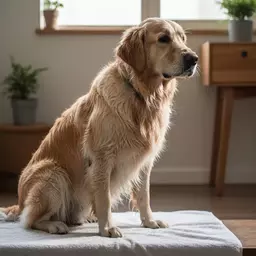
Grooming Tips for Active Dogs
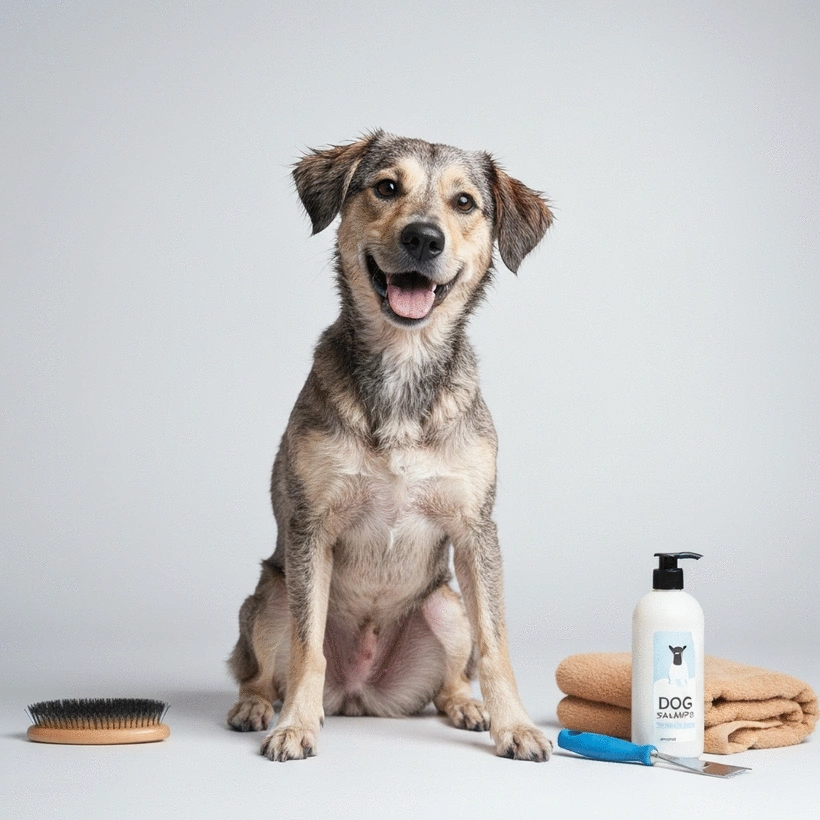
Have you ever considered how grooming transcends mere aesthetics for your active dog? It’s a vital part of their health and happiness, ensuring they thrive in their energetic adventures.
What You Will Learn
- Regular grooming prevents health issues by allowing early detection of skin irritations and parasites.
- Active dogs have unique grooming needs based on their coat type and activity level, requiring tailored grooming routines.
- Maintaining a clean environment and hygiene practices significantly impacts your dog's overall cleanliness and health.
- Understanding common grooming mistakes, such as overbathing and using incorrect tools, can enhance the grooming experience for both you and your dog.
Prioritizing Grooming for Your Active Dog
Regular grooming is not just about aesthetics; it's crucial for the health and well-being of active dogs. This visual highlights common grooming needs, anxieties, and mistakes to avoid.
Unique Grooming Needs of Active Dogs
- Coat type (long-haired needs more brushing)
- Activity level (outdoors = more frequent cleaning)
- Seasonal changes (shedding increases)
Handling Grooming Anxiety
- Short sessions & positive reinforcement
- Treats and praise
- Calming aids (pheromones, music)
Common Grooming Mistakes to Avoid
- Overbathing (strips natural oils)
- Using wrong tools (causes irritation)
- Rushing sessions (injuries, missed spots)
Key Hygiene Practices for Active Dogs
- Weekly washing of dog beds & blankets
- Regular toy cleaning to prevent bacteria
- Ensuring debris-free play areas
Understanding the Importance of Grooming for Active Dogs
As a dog owner, I understand just how energetic and adventurous our furry friends can be! Grooming is not just about keeping your pup looking great; it’s also essential for their overall health and well-being. Active dogs, especially those that love to explore the outdoors, require consistent grooming to maintain a happy and healthy lifestyle. Let’s dive into why grooming is so crucial for these lively companions!
How Grooming Supports Overall Health and Wellbeing
Regular grooming plays a significant role in preventing health issues. When we groom our dogs, we’re not only removing dirt and debris, but we’re also checking for skin irritations, parasites, and other potential problems. This proactive approach can help catch any health concerns early, ensuring our dogs stay in tip-top shape. The ASPCA offers comprehensive dog grooming tips that emphasize the importance of regular care for a healthy coat and skin.
- Promotes healthy skin and coat
- Prevents matting and tangles
- Encourages bonding time between you and your pup
Moreover, routine grooming helps reduce stress for both the dog and the owner. When grooming becomes part of a dog’s schedule, it creates a sense of familiarity and comfort, making it a positive experience for everyone involved!
Identifying the Unique Grooming Needs of Active Dogs
Active dogs often have unique grooming requirements based on their lifestyle. For instance, a dog that loves to swim will likely need more frequent bathing than a dog that prefers leisurely walks. Understanding these needs is crucial in developing a grooming routine that works best for them.
- Consider coat type: Long-haired breeds may need more frequent brushing to prevent tangling.
- Account for activity level: Dogs that spend a lot of time outdoors might require more regular cleaning.
- Be mindful of seasonal changes, as shedding can increase during certain times of the year.
By recognizing these specific needs, we can tailor our grooming routines to ensure our pups remain fresh and fabulous!
Importance of Pet Hygiene in Active Dog Care
Hygiene is key to keeping your pet healthy and happy. For active dogs, this means more than just a quick brush and bath. It involves maintaining a clean environment and staying on top of hygiene practices. Regularly cleaning your dog’s bedding, toys, and even the areas they frequent can significantly impact their overall cleanliness.
- Wash dog beds and blankets weekly.
- Regularly clean toys to prevent bacteria buildup.
- Ensure play areas are free from debris and waste.
Implementing a well-rounded hygiene routine not only keeps your dog smelling fresh but also helps prevent health issues that can arise from dirt and bacteria. So, let’s embrace these grooming habits to create a cleaner and healthier environment for our furry family members!
Pro Tip
To make grooming a more enjoyable experience for your active dog, consider incorporating play breaks! After a grooming session, allow your pup some time to play with their favorite toy or enjoy a short walk. This not only rewards them for their cooperation but also helps them associate grooming with positive experiences. Remember, consistency and positive reinforcement are key!
Addressing Common Grooming Questions and Concerns
As a dog owner, you might have questions or concerns about grooming your furry companion. Many pet parents share similar worries, so it’s essential to address these common grooming questions. Grooming isn’t just about keeping your dog looking good; it's about maintaining their health and comfort. Let’s dive into some of the most frequently asked questions!
How to Handle Grooming Anxiety in Dogs
Grooming anxiety is quite common among dogs, especially if they haven’t been exposed to regular grooming routines from a young age. Recognizing signs of anxiety, such as whining, biting, or trying to escape, is the first step. Establishing a calm and positive environment during grooming can greatly help your pup feel more relaxed. Resources like dvm360 provide insights into grooming dogs with fear-free techniques, which can make a significant difference. Furthermore, Fear Free Happy Homes offers advice on creating positive grooming experiences by strengthening relationships with pets and people.
- Start with short grooming sessions to build their confidence.
- Use treats and praise to reward them for their cooperation.
- Consider incorporating calming aids, such as pheromone sprays or soothing music.
Remember, patience is key! Gradually, your dog will associate grooming with positive experiences, making the process much smoother for both of you.
What to Do About Skin Issues and Grooming
If you notice any skin issues like redness, bumps, or excessive itching, it’s vital to address them promptly. Grooming can help keep your pup's skin healthy, but it’s important to do so carefully to avoid exacerbating any pre-existing issues. Always consult your veterinarian before trying new products or grooming techniques if your dog has skin sensitivities.
- Use hypoallergenic grooming products specifically designed for sensitive skin.
- Incorporate regular brushing to remove debris and dead hair.
- Schedule vet check-ups to monitor skin health and discuss any concerns.
By staying vigilant about your dog’s skin health, you can prevent potential problems and ensure they feel comfortable during grooming sessions.
Understanding Grooming Mistakes to Avoid
Even experienced dog owners can make grooming mistakes that can lead to discomfort or stress for their pets. Let’s discuss some common pitfalls to avoid during grooming sessions. Being aware of these can help you create a more successful grooming routine.
- Overbathing your dog can strip their coat of natural oils—stick to a bathing schedule that suits their coat type.
- Using the wrong tools can cause irritation; always select grooming tools that are appropriate for your dog's specific coat type.
- Rushing through grooming can lead to injuries or missed spots. Take your time to ensure a thorough job.
By avoiding these mistakes, you’ll foster a more enjoyable grooming experience for both you and your dog. After all, a calm and efficient grooming routine is essential for keeping your active pup looking and feeling their best!
Engaging with Your Local Grooming Community
Connecting with others in the dog grooming community can provide valuable insights and support. Whether you’re looking for specialized grooming services or tips from fellow dog owners, engaging with local resources can elevate your grooming routine. Let’s explore how to make the most of your local grooming community!
Finding Specialty Grooming Services for Active Breeds
Active breeds often have unique grooming needs that require specialized attention. When searching for grooming services, look for establishments that cater specifically to active dogs like retrievers, terriers, or shepherds. Many groomers offer specialized services for these breeds and may even have experience with the grooming challenges they present.
- Ask for recommendations from fellow dog owners at parks or online communities.
- Search for groomers who list experience with active breeds on their websites or social media.
- Visit local pet expos or events to meet groomers and learn about their services.
By finding the right grooming service for your active pup, you’ll ensure they receive the care they truly need!
Leveraging Local Reviews to Choose the Best Groomer
Online reviews can be a treasure trove of information when selecting a groomer for your dog. Pay attention to feedback specifically related to handling active dogs. Look for comments on how well groomers managed anxiety and whether they offered tailored services for different breeds.
- Check platforms like Yelp or Google Reviews to read feedback from other dog owners.
- Join local dog-focused Facebook groups to ask for personal experiences.
- Inquire about groomer credentials and training when you reach out to potential groomers.
By leveraging these resources, you can feel confident in your choice of groomer and ensure a positive experience for your furry friend.
Pet Grooming FAQs: Answers to Common Questions
As we wrap up this section, let's address some frequently asked questions about pet grooming that many dog owners find helpful. These quick insights can guide you as you embark on your grooming journey!
Frequently Asked Questions
- How often should I groom my active dog?
- It depends on their coat type and activity level. Generally, active dogs benefit from regular grooming every 4-6 weeks, with more frequent brushing in between to prevent mats and keep their coat clean.
- What are the essential grooming tools for an active dog?
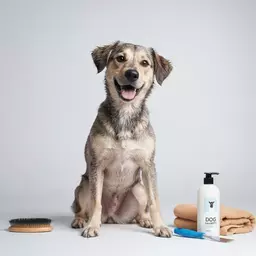
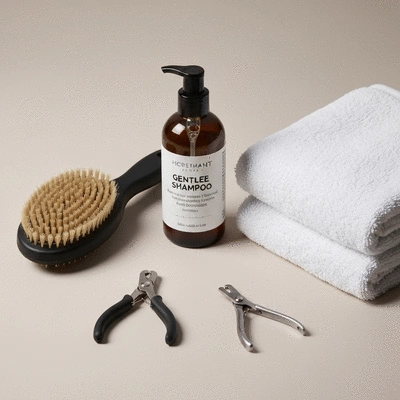
- Basic tools include a high-quality brush suitable for your dog's coat type (e.g., slicker brush, de-shedding tool), nail clippers or a grinder, dog-specific shampoo and conditioner, and a towel. Specialty brushes might be necessary for certain long-haired or double-coated breeds.
- Can I groom my active dog at home, or should I take them to a professional?
- Many pet parents can successfully groom their dogs at home for routine maintenance like brushing, bathing, and nail trims. However, professional groomers are excellent for more complex tasks like intricate coat trims, de-shedding treatments, or for dogs with significant matting. It's also beneficial for dogs with high grooming anxiety, as professionals often have specialized techniques.
- How can I make grooming a less stressful experience for my anxious dog?
- Start with short, positive sessions, using plenty of treats and praise. Introduce tools gradually, allowing your dog to sniff them. Consider calming aids like pheromone sprays or soothing music. Consistency and patience are crucial to building a positive association with grooming.
- What are common grooming mistakes to avoid with active dogs?
- Avoid overbathing, which can strip natural oils and lead to skin irritation. Do not use human shampoos or conditioners. Ensure you use the correct tools for your dog's coat type to prevent discomfort or injury. Also, take your time during sessions to avoid rushing, which can lead to missed spots or accidental nicks.
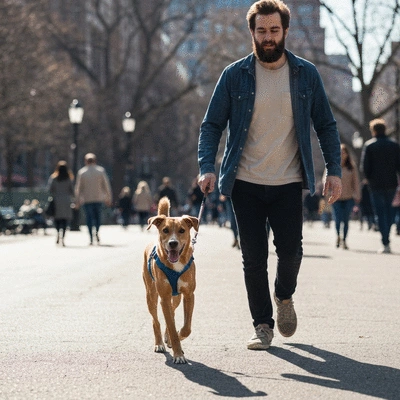
Now that you have some answers, you’re better equipped to tackle your dog’s grooming needs with confidence! Remember, at PupFresh Collective, we’re here to support you every step of the way.
Recap of Key Points
- Regular grooming is essential for preventing health issues and maintaining your dog's well-being.
- Active dogs have unique grooming needs based on their activity levels and coat types.
- Maintaining pet hygiene involves regularly cleaning your dog's environment, including bedding and toys.
- Address grooming anxiety by creating a calm environment and rewarding your dog during grooming sessions.
- Avoid common grooming mistakes, such as overbathing and using inappropriate tools.
- Engage with your local grooming community for support and to find specialized grooming services for active breeds.