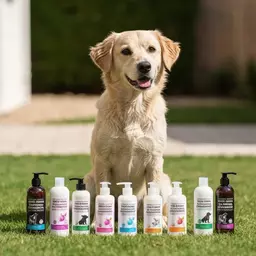
Dog Drying Tips for Water Lovers
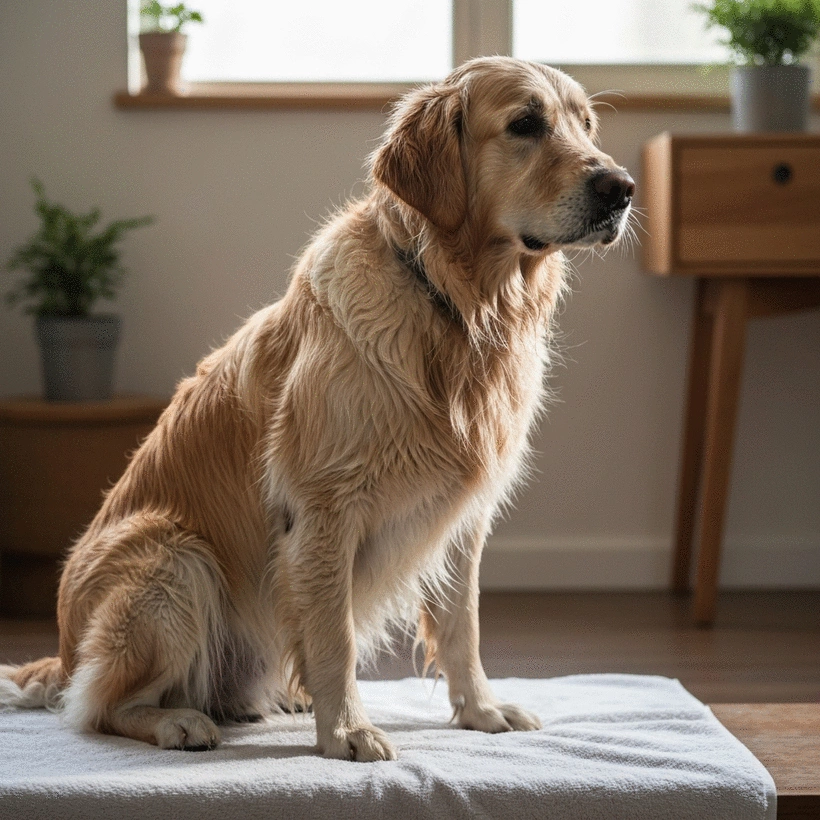
Have you ever felt overwhelmed by the plethora of drying options available for your water-loving dog? Understanding the right techniques can transform bath time from a chore into a bonding experience! Here’s what you will ultimately gain by mastering these skills.
What You Will Learn
- Effective drying prevents skin infections and irritation caused by trapped moisture.
- Microfiber towels are ideal for quick and efficient drying, significantly reducing moisture.
- High-velocity dryers are a game changer for double-coated breeds, promoting fluffiness and faster drying.
- Towel drying can be highly effective if done gently, utilizing blotting motions to absorb water.
- It's crucial to understand the risks of air drying, especially for long-haired breeds, to prevent matting.
- Creating a calm environment can ease anxiety for dogs during the drying process, enhancing their comfort.
- Regular grooming habits can improve drying efficiency and overall coat health, reducing future cleaning needs.
Comparative Overview of Dog Drying Methods
An informed decision on drying methods ensures a happier, cleaner experience for your dog. Below is a comparison of common techniques, highlighting their pros and cons.
Towel Drying
Pros:
- Gentle on the skin
- No noise
- Easy to do
Cons:
- Time-consuming
- May not remove all moisture
Blow Drying
Pros:
- Fast
- Effective for fluffing
- Great for double coats
Cons:
- Can be noisy
- Potential for burns if too hot
Air Drying
Pros:
- Natural
- No equipment needed
Cons:
- Risk of matting and skin issues for long-haired breeds
Effective Dog Drying Techniques for Water-Loving Breeds
As a devoted pet parent, I've learned that drying techniques are essential for keeping our furry friends healthy and happy. For breeds like Golden Retrievers and Huskies, proper drying methods can prevent issues such as skin irritation, matting, and even infections. When these breeds get wet, their thick coats can trap moisture, making it crucial to act swiftly. You might also be interested in eliminating wet dog odor for a fresher home environment.
Not only does effective drying keep our dogs looking their best, but it also promotes overall coat health. They deserve to feel fresh and clean after a fun day of splashing around! So, let’s dive into the best practices for drying your water-loving pups.
Understanding the Need for Proper Drying Methods
When it comes to drying your dog, it’s more than just a cosmetic concern. The right techniques can significantly affect your dog’s comfort and health. Proper drying methods help:
- Prevent skin infections caused by trapped moisture.
- Avoid painful matting, especially in long-haired breeds.
- Keep your dog’s coat looking shiny and healthy.
By understanding these needs, we can better care for our pups and keep their coats in prime condition!
Choosing the Right Drying Tools
Microfiber Towels: The Absorption Champions
One of the best investments for dog owners is a good set of microfiber towels. These towels are super absorbent and can soak up moisture like a sponge! I've personally found that brands like Drypet and Safe-T-Pet work wonders. They dry quickly, are lightweight, and are easy to wash, making them perfect for regular use.
Plus, using a microfiber towel can reduce the time it takes to dry your dog, allowing for more playtime together! Isn’t that what we all want?
High-Velocity Dryers: Speed and Efficiency
If you have a double-coated breed, a high-velocity dryer can be a game changer. These powerful tools blow out excess water and help fluff up your dog's coat, making it look fabulous! They work by delivering a strong stream of air, which is especially useful for breeds that can retain a lot of moisture. For more tips on maintaining your dog's coat, check out these grooming tips for active dogs.
Investing in a good-quality high-velocity dryer means less time drying and more time enjoying snuggles with your pup!
Handheld Dog Dryers: Versatile Solutions for Small Spaces
Handheld dryers are perfect for quick drying sessions, especially in smaller spaces. They’re easy to maneuver and great for those little areas that need a bit of attention. Plus, they're lightweight, making them perfect for travel or quick touch-ups after a walk in the rain!
With the right handheld dryer, you can easily keep your dog fresh and clean without a lot of hassle.
Step-by-Step Guide to Drying Your Dog After a Bath
Best Practices for Towel Drying
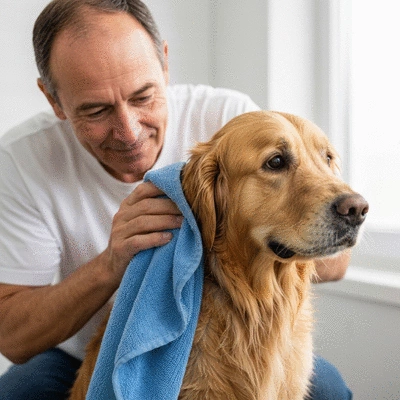
Towel drying can be one of the most effective methods if done correctly. Here’s a simple step-by-step guide:
- Start by gently wrapping your dog in the towel, avoiding vigorous rubbing, which can cause irritation.
- Use a blotting motion to absorb the water, focusing on areas that tend to retain moisture, like the underbelly.
- Be patient and take your time—your pup will appreciate the gentle touch!
By following these steps, you can ensure a comfortable drying experience for your furry friend!
Blow Drying Techniques for Double-Coated Breeds
When using a blow dryer, especially on double-coated breeds, it's essential to follow specific techniques:
- Use the blow dryer on a low heat setting to prevent burns.
- Hold the dryer perpendicular to your dog’s coat to maximize airflow and volume.
- Keep the dryer moving to avoid concentrating heat on one spot.
These steps will help ensure your dog not only dries quickly but also looks fabulous with a fluffy coat!
Air Drying: When It’s Safe and When It’s Not
Understanding the Risks of Air Drying
While air drying can seem like an easy option, it’s essential to understand the risks involved. For long-haired breeds, air drying can lead to tangles and matting, not to mention skin issues from lingering moisture. However, it can be a suitable method for short-haired dogs who dry quickly and don’t have as many coat issues.
Alternatives to Air Drying
If you’re looking for quick ways to dry your pup without using a dryer or towels, consider using quick-drying sprays or other accessories. These products can help absorb moisture and leave your dog smelling fresh!
Special Considerations for Anxious Dogs
Creating a Calm Environment During Drying
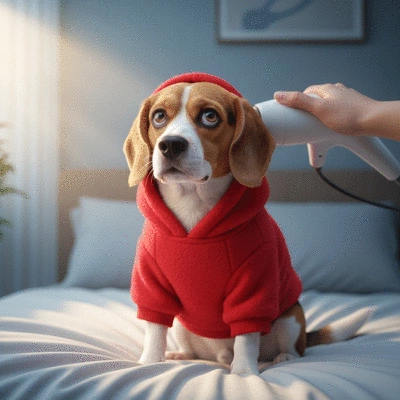
For anxious dogs, the drying process can be stressful. Creating a calming environment is key. Consider using products like the Happy Hoodie, which can help muffle the sound of the dryer and make your dog feel more at ease.
Additionally, play some soft music or provide treats to create a positive association with the drying process. The goal is to make it a relaxing experience for both you and your furry friend!
Comparative Overview of Drying Methods
| Drying Method | Pros | Cons |
|---|---|---|
| Towel Drying | Gentle on the skin, no noise, easy to do | Time-consuming, may not remove all moisture |
| Blow Drying | Fast, effective for fluffing, great for double coats | Can be noisy, potential for burns if too hot |
| Air Drying | Natural, no equipment needed | Risk of matting and skin issues for long-haired breeds |
Using this comparison, you can make informed decisions about which drying method works best for your dog. Each method has its place, and discovering what suits your pup can lead to a happier, cleaner experience!
Pro Tip
To make drying your water-loving dog even more efficient, consider drying in sections! Start with one area at a time—like the underbelly or paws—and use a combination of towel drying followed by a blow dryer. This method not only speeds up the process but also ensures that you’re giving your pup the gentle care they need.
Putting It All Together for Your Water-Loving Dog
Choosing the Right Method for Your Breed
When it comes to drying techniques for different breeds, understanding your dog's unique characteristics is key! Each breed has its own coat type and drying needs, so let’s make sure you know how to choose the best method. For instance, double-coated breeds like Golden Retrievers and Huskies require a bit more attention during drying to avoid matting and skin irritation.
Here are some quick tips to help you decide:
- For long-haired breeds: Opt for towel drying followed by a blow dryer on low heat.
- For short-haired breeds: Air drying might be sufficient, but always keep a microfiber towel handy for any excess water.
- For anxious dogs: Consider using handheld dryers or creating a calm environment with soft music during drying sessions.
Remember, the right method can make all the difference in keeping your pup comfortable and fresh!
Encouraging Healthy Grooming Habits
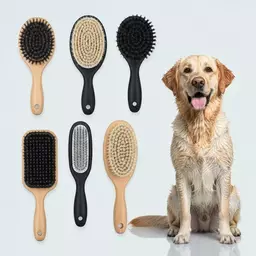
It’s no secret that regular grooming is essential for keeping your dog's coat in tip-top shape. Not only does it help in preventing matting and skin issues, but it also enhances the drying process post-bath. Incorporating tools like undercoat rakes and brushes into your routine can significantly improve the overall health of your dog’s coat.
Here’s how to establish a solid grooming routine:
- Brush regularly: Aim for at least once a week, or more for breeds with longer fur.
- Use the right tools: Invest in quality grooming tools that suit your dog’s coat type.
- Maintain a consistent schedule: Set specific grooming days to make it part of your dog’s routine!
At PupFresh Collective, we believe that a little grooming goes a long way in promoting a cleaner, healthier pup!
Dog Bathing Tips for Optimal Drying
Bathing your dog in a way that promotes easy drying can save you time and effort! Start with the right bath products that suit your dog’s coat and skin type. Ideally, you want to use shampoos that are effective yet gentle, making rinsing easier and reducing drying time. This is especially true for dog deodorizing shampoos which can leave a lasting fresh scent.
Here are some best practices to consider during bath time:
- Pre-bath brushing: Always brush your dog before a bath to remove loose hair and prevent tangles.
- Thorough rinsing: Make sure to rinse out all shampoo to avoid residue that can contribute to odors.
- Use warm water: Bathing in lukewarm water is more comfortable for your dog, which can lead to a smoother drying process.
With these tips, you’ll find that drying your pup becomes a breeze!
Engaging with the Dog Drying Community
Sharing Your Drying Success Stories
We love hearing from fellow dog owners about their drying experiences! Whether you’ve discovered a new tool or technique that works wonders for your water-loving breeds, don’t hesitate to share your stories in the comments or on our social media platforms. Your insights could help others in our community find the perfect solution for their furry friends!
FAQs About Dog Drying Techniques
Have questions? We've got answers! One common query I hear is, “How long does it typically take to dry a Golden Retriever?” The answer varies based on the method used and the dog's coat condition. On average, it can take anywhere from 30 minutes to over an hour. If you're facing specific challenges while drying, feel free to ask—I'm here to help!
Frequently Asked Questions
- Q: Why is proper dog drying important?
- A: Proper drying prevents skin infections and irritation caused by trapped moisture, avoids painful matting, and keeps your dog's coat healthy and shiny.
- Q: What are the best tools for drying a water-loving dog?
- A: Microfiber towels are excellent for absorption. High-velocity dryers are ideal for double-coated breeds, and handheld dryers are good for quick sessions and smaller areas.
- Q: Is air drying safe for all dogs?
- A: Air drying can be suitable for short-haired dogs, but for long-haired or double-coated breeds, it carries risks of matting, tangles, and skin issues due to lingering moisture.
- Q: How can I make drying less stressful for an anxious dog?
- A: Create a calm environment by using products like the Happy Hoodie to muffle dryer noise, playing soft music, and offering treats to build positive associations with the drying process.
- Q: What is the best technique for towel drying?
- A: Gently wrap your dog in the towel and use a blotting motion to absorb water, focusing on moisture-retaining areas like the underbelly. Avoid vigorous rubbing to prevent irritation.
Recap of Key Points
Here is a quick recap of the important points discussed in the article:
- Proper drying techniques are essential for preventing skin irritation and matting in water-loving breeds.
- Microfiber towels are highly absorbent and can significantly reduce drying time.
- High-velocity dryers are effective for double-coated breeds, helping remove moisture quickly.
- Towel drying should be done gently using a blotting motion to ensure comfort.
- Creating a calm environment can help reduce anxiety in dogs during the drying process.
- Regular grooming is vital for maintaining coat health and enhancing the drying process.
- Choosing the right bathing products can help facilitate easier drying and overall cleanliness.