Decoding Dog Smells and Solutions
Have you ever wondered what really causes that unmistakable dog odor? It’s more than just a wet dog after a swim; it’s a complex interplay of biology and environment. Understanding this can not only help in keeping your furry friend smelling fresh but can also alert you to potential health issues. Let’s dive into the essential insights drawn from the science of canine scents!
What You Will Learn
- Common causes of dog odor include bacteria, yeast, and skin infections.
- Dogs possess approximately 300 million scent receptors, making their sense of smell incredible compared to humans.
- Regular grooming practices, including baths and ear cleaning, are essential for minimizing unpleasant odors.
- Certain odors can indicate health issues such as dental disease or skin infections, requiring prompt veterinary attention.
- Identifying hotspots in your home, like carpets and furniture, can help you maintain a fresh living environment.
- Monitoring your dog’s behavior and smell can provide important cues about their health and well-being.
The Science Behind Dog Odors and Solutions
Understanding the root causes of dog smells, from biological factors to environmental accumulation, helps pet owners effectively manage and prevent them. The visual below highlights key areas and practices for maintaining a fresh home and a healthy pup.
Olfactory Comparison: Dogs vs. Humans
Humans:
5 Million Receptors
Dogs:
300 Million Receptors
Dogs have a significantly more advanced sense of smell, 60 times more receptors than humans.
Key Causes of Dog Odor
Bacteria & Yeast buildup on skin/fur
Skin Infections (e.g., hotspots)
Anal Glands (stress/communication)
Dental Issues & Diet
Multiple factors contribute to dog odors, ranging from external to internal health issues.
Effective Odor Prevention & Control
-
•
Regular Baths & Brushing: Reduces dirt, debris, and loose fur.
-
•
Ear Cleaning: Prevents yeast and bacterial buildup.
-
•
Home Cleaning: Deodorize carpets, furniture, and pet areas.
Consistent hygiene and environmental cleaning are crucial for a fresh home.
When to Consult a Veterinarian
-
•
Unusual, persistent odors not resolved by grooming.
-
•
Excessive scratching, licking, or skin irritation.
-
•
Changes in appetite, lethargy, or frequent urination.
These symptoms could indicate underlying infections, allergies, or other health issues.
Understanding the Chemistry of Dog Smells
As a dog owner, I've often found myself wondering about the reasons behind that distinctive dog odor. It’s not just about a wet dog after a swim; there’s a whole science behind it! Understanding the chemistry of dog smells can help us tackle the issue effectively, ensuring our furry friends remain fresh and clean.
What Causes Dog Odor?
The common culprits contributing to dog odors include bacteria, yeast, and skin infections. When your pup rolls in the grass or plays in the dirt, bacteria can accumulate on their skin and fur, leading to unpleasant smells. Additionally, yeast infections, particularly in the ears and paws, can create a strong odor that often goes unnoticed until it becomes problematic.
- Bacteria: Linger on the skin and can multiply, causing odor.
- Yeast: Often found in warm, moist areas, contributing to bad smells.
- Skin infections: Such as hotspots can intensify odors.
Keeping an eye on these factors is essential because they can often be managed with proper hygiene and care. A regular grooming routine can help minimize these odors, making it easier for us to enjoy our time with our pets!
How Olfactory System and Dog Smell Work
The science behind how dog smells are produced and perceived is fascinating! Dogs possess an incredible olfactory system that allows them to detect and differentiate between an array of scents. For instance, the anal glands of dogs can produce a pungent odor, especially when they are stressed or frightened.
- Anal Glands: Release strong-smelling substances as a form of communication.
- Dental Issues: Bad breath can be a sign of oral problems, adding to overall odors.
- Diet: Certain foods can contribute to a noticeable change in smell.
Understanding these elements can empower us as pet owners to address potential odor sources effectively. Regular dental care and monitoring your dog’s stress levels can significantly improve your home’s freshness!

The Role of Canine Olfaction and Scent Receptors
Did you know that a dog’s sense of smell is far more advanced than ours? They have approximately 300 million scent receptors compared to our mere 5 million! This extraordinary adaptation allows dogs to detect even the faintest odors, making them natural scent detectors.
- Scent Receptors: Dogs have specialized receptors that enhance their ability to smell.
- Olfactory Bulb: Their olfactory bulb is significantly larger, aiding in processing smells.
- Behavioral Response: Dogs often respond to scents in ways we can’t even imagine!
This remarkable olfactory capability not only explains why dogs can sniff out food or toys from afar but also adds to the importance of maintaining their hygiene. By understanding how they perceive odors, we can work towards minimizing any unwanted smells in our homes.
Identifying the Source of Pet Odor in Your Home
Once we grasp how dog odors develop, the next step is identifying where those smells are lingering in our homes. It's essential to be proactive in finding and addressing these sources, ensuring a pleasant environment for both us and our pooches!
Common Areas Where Dog Smells Accumulate
There are several hotspots in our homes where dog odors tend to accumulate. Being aware of these areas can help us take effective action to keep our living spaces smelling fresh.
- Carpets: They can trap and hold odors from dirt and fur.
- Furniture: Upholstered items can absorb smells over time.
- Yards: Outdoor spaces can hold onto odors, especially after rainy weather.
Regular cleaning of these surfaces is key to maintaining a happy, fresh home. Think of it as part of your grooming routine, keeping both your pet and living space in tip-top condition!
Recognizing Signs of Health Issues in Dogs
Sometimes, dog odors can indicate underlying health problems. For instance, a sudden change in smell might suggest an infection, allergies, or dental concerns. It’s vital to be vigilant and recognize these signs early.
- Foul Breath: Could indicate dental disease or gastrointestinal issues.
- Unusual Skin Odors: May point to infections or allergies.
- Excessive Itching or Scratching: Can indicate skin problems causing odor.
Paying attention to these signs and promptly addressing any concerns with your veterinarian can ensure a healthier and happier pup!
Dog Hygiene Practices to Prevent Odors
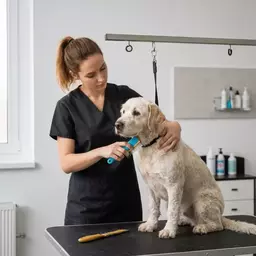
Implementing good hygiene practices is essential for keeping dog odors at bay. Regular grooming and maintenance can go a long way in ensuring your pet stays fresh!
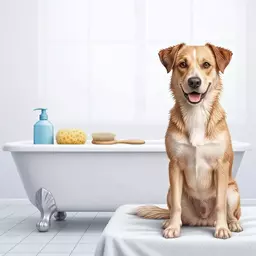
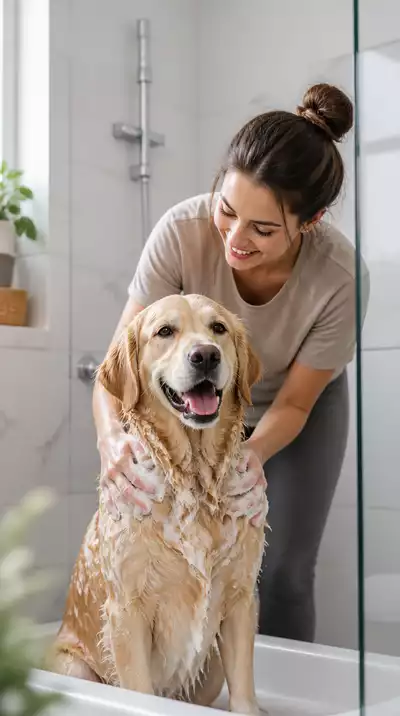
- Regular Baths: Use a pet-safe shampoo to keep your dog clean.
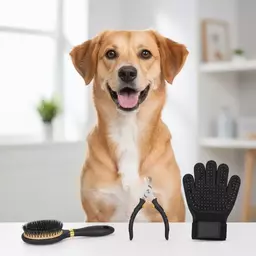
- Brushing: Frequent brushing removes dirt, debris, and loose fur, reducing odors.
- Ear Cleaning: Regularly check and clean your dog’s ears to prevent yeast buildup.
By establishing a consistent daily dog cleanliness routine, you can help prevent odors before they become a problem. Plus, it’s a great bonding experience for you and your furry friend!
Pro Tip
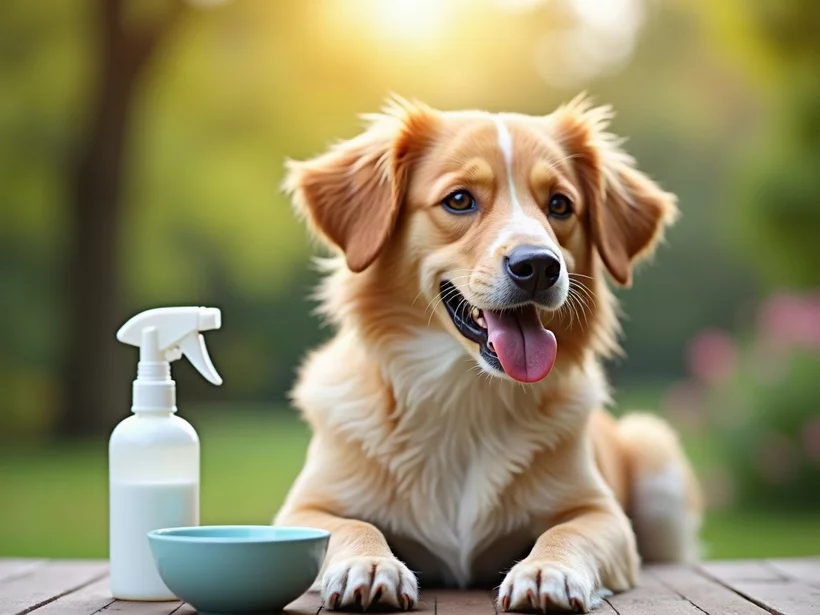
To combat stubborn dog odors, consider using a combination of regular grooming and a high-quality pet deodorizing spray. Look for products that are free from harsh chemicals and are specifically designed for dogs to ensure their safety and comfort. A little spritz after grooming can help maintain freshness between baths!
Addressing Odor Challenges: When to Consult a Veterinarian
As a passionate dog owner, I know how important it is to keep our furry friends happy and healthy. When it comes to persistent odors, it's crucial to understand the signs that might indicate a deeper health issue. If your dog has a smell that just won't go away, it's time to take action! Consulting a veterinarian can provide you with the professional guidance you need to address any potential problems.
- Unusual Odors: If your dog has a strong odor that’s different from the usual wet dog smell, it might signal a health concern.
- Continuous Scratching or Licking: This could indicate skin infections or allergies, often associated with odor.
- Changes in Appetite: A noticeable change can be a sign of underlying issues that require attention.
- Frequent Urination or Lethargy: These symptoms could accompany certain infections that contribute to odors.
Being proactive with your dog's health is key to ensuring they remain a happy part of your family. If you notice any of these signs, I recommend reaching out to your vet for advice. Their expertise can help you identify any issues that might be causing those stubborn smells.
Frequently Asked Questions About Dog Odors
- What are the main causes of dog odor?
- The primary causes of dog odor include bacteria and yeast buildup on the skin and fur, skin infections (like hotspots), anal gland issues, and dental problems. Diet can also play a role.
- How much better is a dog's sense of smell compared to humans?
- Dogs have an incredibly advanced sense of smell, possessing approximately 300 million scent receptors compared to roughly 5 million in humans. This makes their olfactory system about 60 times more sensitive.
- What are effective ways to prevent and control dog odors at home?
- Effective prevention and control methods include regular baths using pet-safe shampoo, frequent brushing to remove dirt and loose fur, routine ear cleaning, and thoroughly cleaning and deodorizing carpets, furniture, and pet areas in your home.
- When should I be concerned about my dog's odor and consult a veterinarian?
- You should consult a vet if you notice unusual, persistent odors not resolved by grooming, excessive scratching or licking, changes in appetite, lethargy, or frequent urination. These could indicate underlying health issues such as infections or allergies.
- What areas in my home commonly accumulate dog smells?
- Common hotspots for dog odor accumulation include carpets (which trap dirt and fur), upholstered furniture (which absorbs smells), and outdoor spaces like yards, especially after wet weather.
Maintaining a Fresh and Inviting Home Environment
After diving into the world of dog odors, it's essential to remember the key strategies for keeping your home fresh. A combination of routine grooming, proper cleaning, and awareness of your dog's health can significantly minimize odors and enhance your living space. By prioritizing these practices, you ensure both your dog and your home remain clean and inviting!
- Regular Grooming: Establish a consistent grooming schedule to keep your dog’s coat healthy.
- Home Cleaning: Regularly clean and deodorize your dog's favorite spots around the house.
- Vet Check-ups: Don’t skip routine vet visits to catch any potential health issues early.
- Odor Neutralizers: Use effective natural remedies for dog odor and cleaning products to combat stubborn smells.
What strategies do you use to keep your home smelling fresh? I’d love to hear your experiences or any questions you might have about managing odors with your pets. Let’s continue this conversation and support each other in creating cleaner, happier environments for our furry companions!
Recap of Key Points
Here is a quick recap of the important points discussed in the article:
- Causes of Dog Odor: Bacteria, yeast, and skin infections are primary contributors to dog smells.
- Olfactory System: Dogs have a highly developed sense of smell with around 300 million scent receptors.
- Hygiene Practices: Regular grooming, including baths and ear cleaning, is essential for preventing odors.
- Health Monitoring: Be aware of unusual odors as they can indicate underlying health issues that require veterinary attention.
- Common Odor Hotspots: Carpets, furniture, and outdoor areas can trap dog smells; regular cleaning is crucial.
- Veterinary Consultation: Persistent odors or changes in behavior should prompt a visit to the vet.