Top Dog Shampoos for Odor Control
Have you ever experienced the frustration of giving your dog a bath, only to be greeted by the same stubborn wet dog smell afterward? You're not alone! Understanding the factors that contribute to this odor can empower you to tackle it effectively. Let’s explore the key lessons from this article that will change how you care for your furry friend.
What You Will Learn
- Microorganisms are key culprits: Bacteria and yeast can thrive in your dog's damp coat, causing persistent odors.
- Coat type affects odor retention: Long-haired and dense-coated breeds may trap moisture, leading to more noticeable smells.
- Proper drying techniques are essential: Thoroughly drying your dog after bathing can significantly reduce lingering odors.
- Focus on moisture-prone areas: Areas like ears, underbellies, and between toes are often neglected and can retain moisture, contributing to smells.
- Ingredient awareness in shampoos: Choosing shampoos with natural components can help eliminate odors without harming your dog's skin health.
- DIY options can work well: Consider homemade shampoos using natural ingredients for a cost-effective and gentle cleaning solution.
Optimizing Pet Freshness: A 3-Step Process for Odor Control
This visual outlines the key steps and considerations for maintaining your dog's freshness, from understanding odor causes to implementing effective prevention and grooming routines. For more detailed insights into keeping your canine companion smelling great, check out our guide on dog odor control tips for freshness.
Understanding Odor: Causes & Factors
Pinpointing the source of the wet dog smell.
Step 1: Microbiological Factors
- Bacteria & Yeast growth
- Natural oils interaction
Step 2: Moisture & Coat Type
- Long-haired vs. Short-haired
- Dense undercoats
Prevention & Effective Grooming
Proactive steps for long-lasting freshness.
Step 3: Proper Drying
- Microfiber towels
- Dog dryers
- Targeting moisture-prone areas
Step 4: Product Selection
- Quality shampoos (aloe, oatmeal)
- Avoid harsh chemicals
- DIY options (castile soap, baking soda)
Addressing the Wet Dog Smell Challenge: Understanding Why Dogs Still Smell After Bathing
Have you ever given your dog a bath, only to find that pesky wet dog smell still lingers? You’re definitely not alone! Many pet owners, including myself at PupFresh Collective, face this frustrating challenge after a wash. Let’s dive into some common causes of that stubborn odor and explore effective strategies to control it!
Common Causes of Wet Dog Odor
Understanding the reasons behind this issue can help us better tackle it. There are several factors at play when it comes to wet dog smell. Here are some of the most prevalent causes:
- Microbiological factors: Bacteria and yeast can thrive in your dog’s coat, especially if they're damp.
- Moisture retention: Certain coat types hold onto water more than others, leading to lingering odors.
- Environmental influences: Everything from muddy playdates to swimming in lakes can contribute to odors.
Recognizing these elements can empower you to take action. For example, the type of coat your pup has can significantly affect how moisture and odor develop!
Microbiological Factors Behind Odor Formation
Did you know that our furry friends carry various microorganisms on their skin? When they get wet, these bacteria and fungi can multiply, resulting in odors that are hard to eliminate. Sometimes, the odors are caused by natural oils interacting with moisture, creating an unhealthy environment for the bacteria to thrive. What a smelly cocktail!
Role of Moisture and Coat Type in Odor Development
The structure of your dog’s coat plays a crucial role in odor retention. Long-haired breeds may trap moisture more effectively than short-haired pups, leading to stronger odors. Additionally, dogs with dense undercoats can struggle to fully dry out after bathing or swimming. That's why understanding your dog's coat type is essential in tackling the wet dog smell. For more tips on managing odor, explore our comprehensive guide on eliminating wet dog odor.
Preventive Measures for Odor Control
Now that we’re aware of the common causes, let’s discuss some preventive measures that can help keep your dog smelling fresh. You might find these tips super helpful:
- Utilize proper drying techniques: Ensuring your dog is thoroughly dried after a bath can significantly reduce odors.
- Target moisture-prone areas: Pay attention to spots like the ears, underbelly, and between the toes, as these can hold moisture longer.
- Regular grooming: Keeping your dog's coat clean and free of debris can help minimize odors.
Implementing these strategies can make a world of difference. Believe me, consistent care keeps both you and your pup happier!
Effective Drying Techniques to Reduce Odor
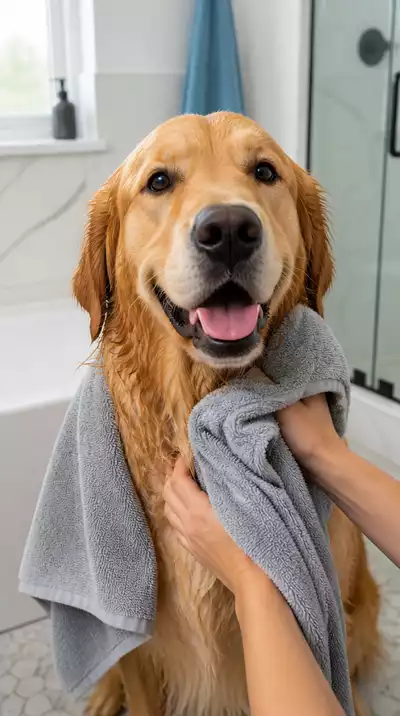
After a bath, it’s vital to dry your dog properly. Using a microfiber towel can be a game-changer; they absorb moisture more efficiently than regular towels. Additionally, dog dryers can help expel moisture quickly, ensuring that your pup is dry and odor-free! Remember, less moisture equals less smell!
Targeting Moisture-Prone Areas on Your Dog
While drying, don’t forget to focus on moisture-prone areas. These spots are often neglected and can lead to lingering odors. Make it a habit to thoroughly dry:
- Behind the ears
- Underneath the tail
- Between the paw pads
By targeting these areas, you can reduce the chances of that wet dog smell making a comeback. It's all about being thorough!
Pro Tip
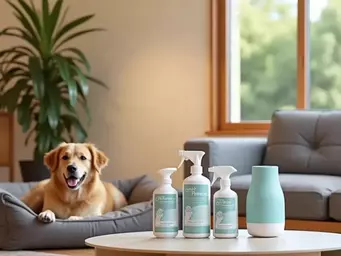
To further enhance your dog's freshness, consider using a deodorizing spray specifically designed for pets after grooming. These sprays can neutralize odors without irritating your dog's skin, and they often contain natural ingredients that leave a pleasant scent. Just a light mist can make a big difference!
Summarizing the Best Practices for Odor-Free Dogs
As dog owners, we all want our furry friends to smell fresh and clean. After diving into the world of dog shampoos and their effectiveness in odor control, it's clear that making informed choices is crucial. Here’s a quick recap of the best practices to keep your dog odor-free!
Choosing the right shampoo for your dog involves understanding the balance between ingredients and efficacy. Look for products that contain quality components such as natural extracts that fight odor while ensuring your dog’s coat remains healthy. Remember, it’s not just about masking smells; it’s about effectively eliminating them!
Final Thoughts on Choosing the Right Dog Shampoo
When considering a dog shampoo, it's essential to think about both the ingredients and their overall effectiveness. A good shampoo should not only target odors but also support your dog's skin health. Personally, I've found that shampoos with natural ingredients often yield the best results for maintaining a fresh-smelling pup without causing irritation.
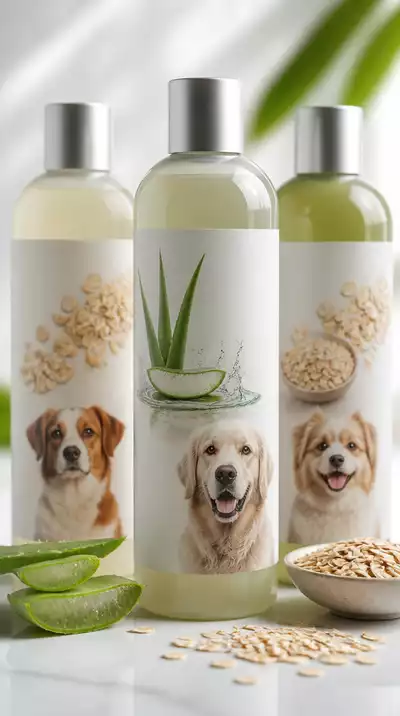
- Look for key ingredients like aloe vera and oatmeal for soothing skin.
- Avoid harsh chemicals that can strip the coat of its natural oils.
- Consider your dog's specific needs based on their breed and activity level.
Your dog's comfort should always be a priority. A happy, healthy dog translates to a clean, odor-free home! Trust me, maintaining a fresh and pleasant aroma is more than possible with the right shampoo choices and care routines.
FAQs About Dog Odor Control
Here are some frequently asked questions to help you further understand and combat wet dog smell:
- Why does my dog still smell wet after a bath?
The lingering "wet dog" smell is often caused by microorganisms (bacteria and yeast) thriving in a damp coat, interacting with natural oils. Certain coat types also retain moisture more, exacerbating the issue. - What are the key causes of wet dog odor?
The main causes include microbiological factors (bacteria and yeast growth), moisture retention in the coat, and environmental influences from activities like muddy play or swimming. - How can I effectively dry my dog to prevent odor?
To effectively dry your dog and reduce odor, use highly absorbent microfiber towels and consider a dog-specific dryer. Focus on thoroughly drying moisture-prone areas like behind the ears, under the tail, and between the paw pads. - What types of shampoos are best for odor control?
Look for dog shampoos with natural ingredients like aloe vera and oatmeal, which soothe the skin while fighting odors. Avoid harsh chemicals that can strip natural oils. - Can I make my own dog shampoo?
Yes, you can create DIY dog shampoos using natural ingredients. Options include combining castile soap with water and essential oils, or making a paste from baking soda and water for a deep clean. Always test new products on a small area of your dog's skin first.
Your Dog's Comfort and Freshness Matter
As a dog owner, I always aim for a balance between cleanliness and comfort. It's important to recognize how our grooming choices impact our dog’s overall well-being. The right products can enhance their comfort and keep them feeling great!
Additionally, fresh-smelling dogs lead to happier snuggles and playtime! Who doesn’t love a pup that smells as good as they feel? Let’s ensure our dogs are not just clean but also thriving in their everyday lives!
Take Action: Keep Your Dog Smelling Fresh!
Now that you're equipped with knowledge about dog shampoos and odor control, it's time to take action! Explore top-rated products available at PupFresh Collective and see what works best for your furry friend. Each dog is unique, and finding the right match can make all the difference in maintaining their freshness.
- Check out our specially curated list of effective shampoos on the PupFresh Collective website.
- Ask fellow dog owners in our community about their go-to products!
- Share your experiences to help others in their quest for odor-free dogs.
Engaging with fellow dog owners can provide valuable insights and encouragement. We love hearing your stories and successes! Building a community centered around caring for our pets only adds to the joy of dog ownership.
DIY Dog Shampoo Options for Budget-Conscious Pet Owners
If you’re feeling adventurous and want to save some bucks, consider making your own dog shampoo! There are simple recipes that use common household ingredients, providing a natural approach to keep your pup smelling fresh. For more on effective dog shampoos, explore our guide on deodorizing dog shampoos that work.
Here are a couple of easy DIY options to consider:
- Combine 1 cup of natural castile soap with 1 cup of water and a few drops of essential oils for a refreshing scent.
- Mix 1 cup of baking soda and enough water to form a paste, then apply and rinse for a deep clean.
Whichever method you choose, remember to test any new product on a small area of your dog’s skin first to ensure they don’t have any adverse reactions. Let’s keep those tails wagging and our homes smelling delightful!
Recap of Key Points
Here is a quick recap of the important points discussed in the article:
- Identify Common Causes: Wet dog odors can stem from microbiological factors, moisture retention, and environmental influences.
- Proper Drying Techniques: Thoroughly dry your dog, especially moisture-prone areas like the ears and underbelly, to reduce odor.
- Regular Grooming: Consistent grooming helps keep your dog's coat clean and minimizes odors.
- Select Quality Shampoos: Choose dog shampoos with natural ingredients that effectively eliminate odors without harming the coat.
- DIY Solutions: Consider homemade dog shampoo options for a budget-friendly and natural approach to odor control.